
Someone needed a doctor, so they asked a friend, checked whether the practice took their insurance, and typed something like primary care doctor near me into Google. They read down the list, opened three or four practice websites, and called whichever one was closest and answered the phone.
That search still runs 17,000 times a month in the United States for that exact phrase. It is still one of the ways a patient finds you.
The second route is the one that changed. A patient now opens ChatGPT, Claude, Gemini or Perplexity, or reads the AI summary sitting above Google's results, and asks the question the way they would say it out loud: which doctor should I see for a hormone imbalance, or who is taking new patients in Midtown. They get back one answer with three or four practices named in it, and they call one of those.
Both routes are live and both end in a booked appointment. On the second one, being on page one does not get you very far on its own, because the answer names only a few practices and most patients never scroll past it.
Both routes read the same pages. Google's crawler and the AI crawlers fetch the same website and look at the same headings, the same answers and the same evidence that you know what you are talking about.
The page that earns you the ranking is usually the page that earns you the recommendation inside AI answers. A clear page on PCOS treatment that answers the question properly is what puts you at position four on Google, and it is the same page an assistant reads before it recommends that patients book an appointment with you.
Keep focusing on SEO only and you pick up the rankings while missing the questions where an assistant recommends someone else. Run the two together and every page you publish does both jobs at once.
Done properly this gets you three things: rankings on the Google searches that bring patients, recommendations in AI answers across every major assistant, and new patients from both.
Key takeaway: Patients now find doctors through two routes, Google results and AI answers, and if you follow this guide the same set of pages will win you both.
Manhattan Primary Care is an independent primary care practice with three offices in Manhattan. They have no hospital system behind them, no national brand, and they spend nothing at all on paid search. They did the work properly instead, and their results in SEO and AI search now match health systems many times their size.
Their Domain Rating is 13. Mount Sinai sits at 85, NYU Langone at 81, NewYork-Presbyterian at 79 and Zocdoc at 89. Manhattan Primary Care out-ranks all four on the searches patients actually run.
Those searches matter because of when a person runs them. Somebody typing doctors accepting new patients near me has already decided to switch, and they are choosing a practice today.
| Search | Position and detail |
|---|---|
| doctors accepting new patients near me | #6 of 2,300 monthly searches, ahead of Mount Sinai at DR 85 |
| gp near me | #7 of 2,000 monthly searches |
| pcp near me accepting new patients | #4 of 1,000 monthly searches, difficulty 51 |
| internist doctor near me | #4 of 900 monthly searches, difficulty 2 |
| primary care doctor nyc | #5 of 900 monthly searches, the highest-value term in the set at $4.00 a click |
| general practice doctor | #6 of 800 monthly searches |
| best primary care providers near me | #1 of 500 monthly searches |
| doctores primarios cerca de mi | #6 of 500 monthly searches, the Spanish phrasing nobody else covered |
Three patterns produced that. They build a page for the words patients use rather than the words medicine uses, so internist doctor near me, gp near me and general practice doctor each get their own treatment instead of one page called Internal Medicine.
They also own the accepting new patients layer, with four different phrasings of it sitting in the top six. And they cover what the hospital systems leave alone, including the Spanish-language phrasing and single-service pages like immunisations, which sits at #4 for vaccine doctor.
None of this needed a hospital system or an advertising budget. Their 311 organic keywords bring 3,138 visits a month, 54 of those keywords sit in the top three, and the traffic is worth $5,481 a month in equivalent paid clicks on zero ad spend.
In the guide below we show you how to do SEO and AEO for doctors the same way, using our five-step framework.
All figures from ContentMonk, US data, August 2026. Manhattan Primary Care has no affiliation with ContentMonk and is not a customer.
Below we walk through each of the five steps of how to do SEO and AEO for doctors, in order: finding the searches and prompts that bring patients, working out why other practices are winning them, building better pages, getting mentioned on the sources AI trusts, and keeping the results once you have them. Run all five and you get rankings on Google, recommendations in AI answers, and patients from both.
Everything here is specific to medical practices. The examples are real searches patients run, the difficulty scores are real, and the third-party sources named in step 4 are the ones that carry weight in healthcare rather than a generic list.
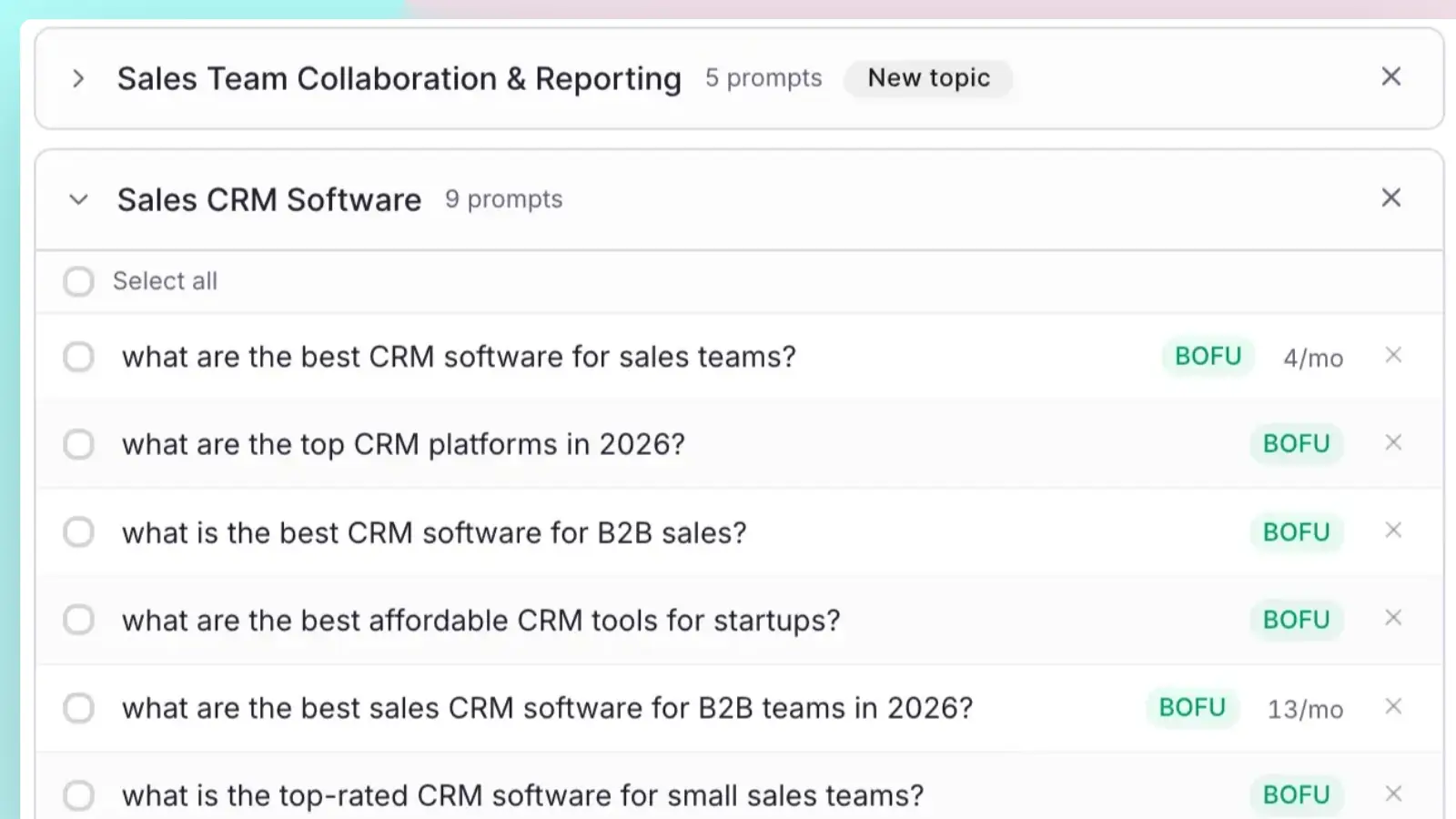
Start by writing down every search and every question that comes from somebody ready to book an appointment.
A bottom-of-funnel prompt is one where the person has already decided they need care and is choosing who provides it. Which endocrinologist near me is taking new patients is one of those. What causes a thyroid imbalance is not, because that person is still reading. Both are worth having eventually, but only the first one fills your schedule this month.
| Keyword they type into Google | Prompt they give an AI assistant |
|---|---|
| primary care doctor near me | Who is a good primary care doctor near me taking new patients? |
| doctors accepting new patients near me | Which doctors in my area are actually accepting new patients right now? |
| pcos specialist near me | Which doctor should I see for PCOS, an endocrinologist or a gynaecologist? |
| hormone doctor near me | What kind of doctor treats a hormone imbalance, and who is good near me? |
| best dermatologist nyc | Who are the best dermatologists in New York City? |
The obvious terms are the hardest. Dermatologist nyc gets 3,000 searches a month at difficulty 68, and endocrinologist nyc gets 2,300 at difficulty 46. Those are the terms every large group in the city is already spending on.
Now look one level down. Pcos specialist near me gets 3,200 searches a month at difficulty 0. Hormone doctor near me gets 1,400 at difficulty 1. Thyroid doctor nyc gets 100 at difficulty 0 and a $3.00 click price. A hundred people searching for the exact condition you treat is worth more to your schedule than ten thousand searching for a specialty.
Work through every service you offer, every condition you treat and every location you cover, and write down everything you find. Include the phrasings patients use rather than the clinical names, and include the questions they ask before they pick a specialty. Step 2 is where you work out which of them you can win.
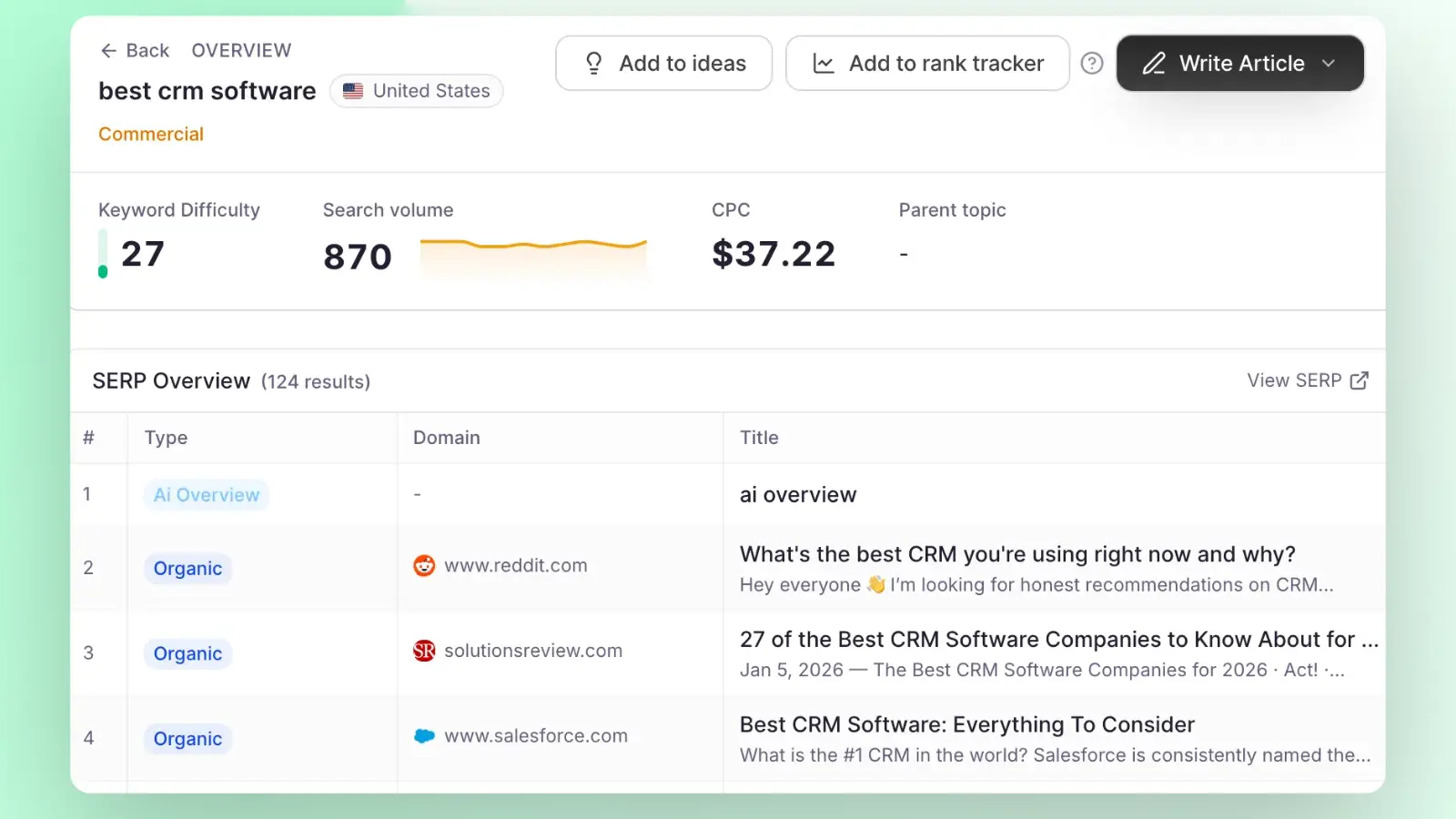
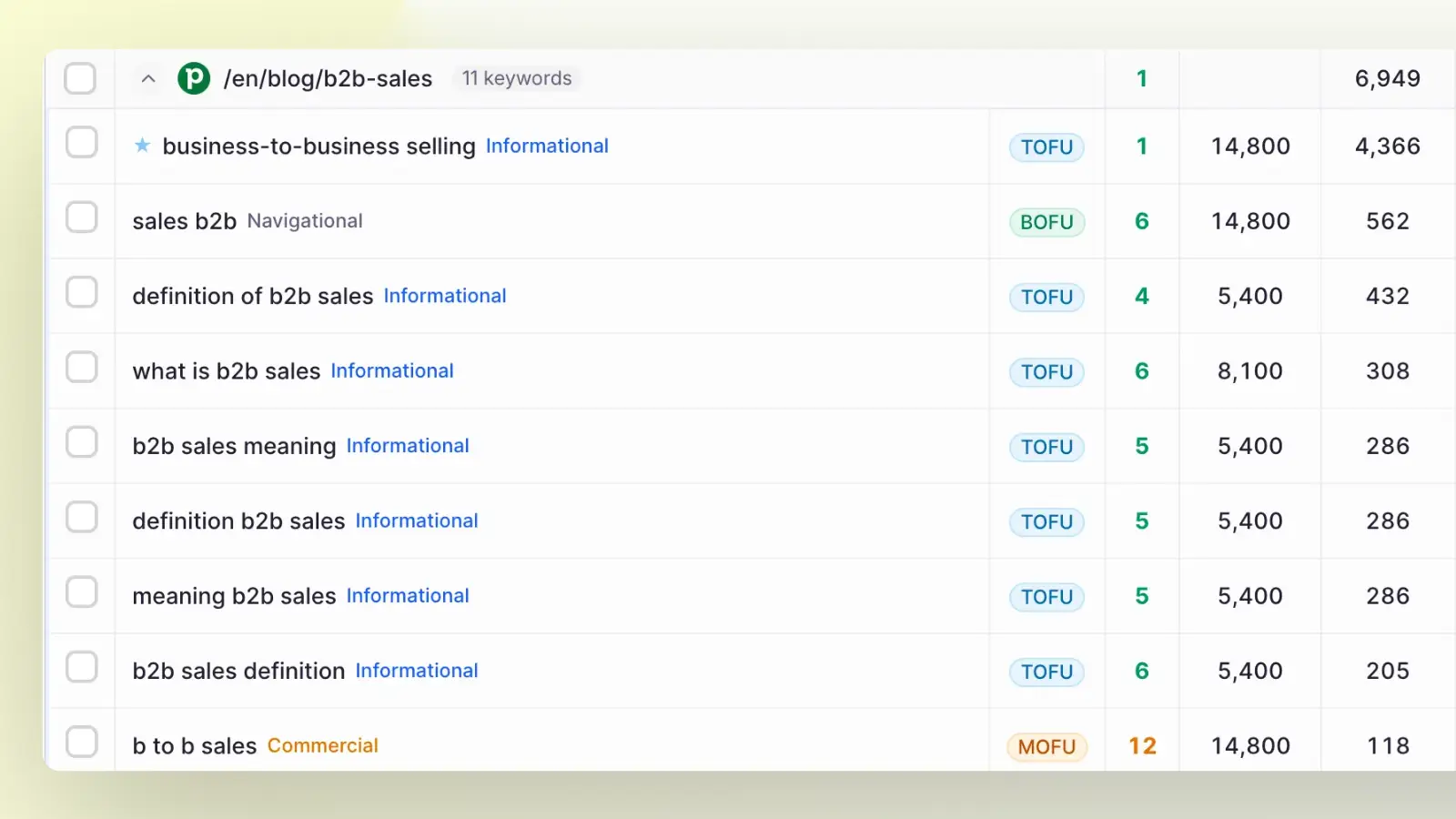
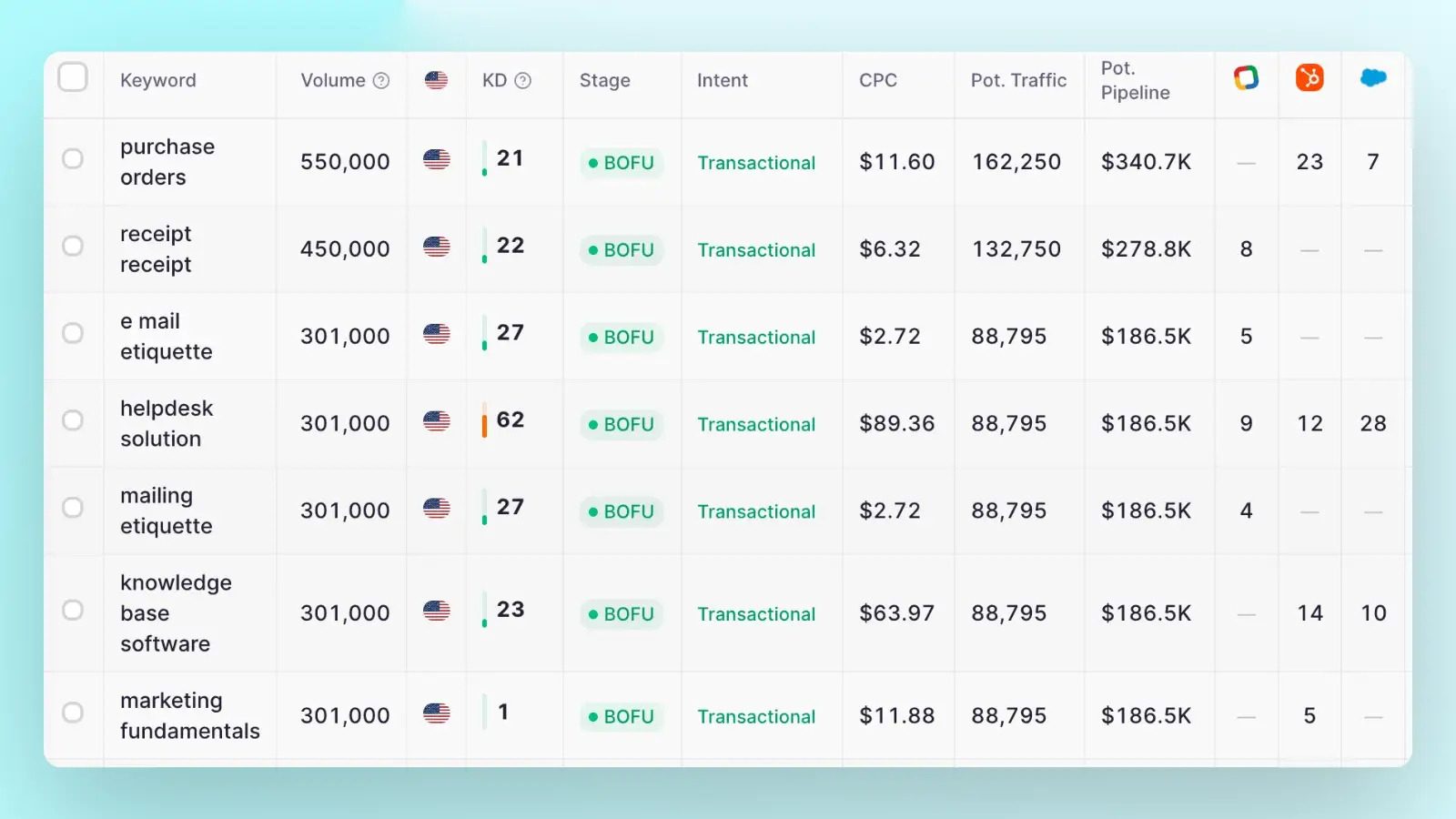
Whoever ranks and gets recommended today did the work to get there. Nobody is going to hand you the method, so you look at what is producing their results and build something better.
For each search on your list, check four things.
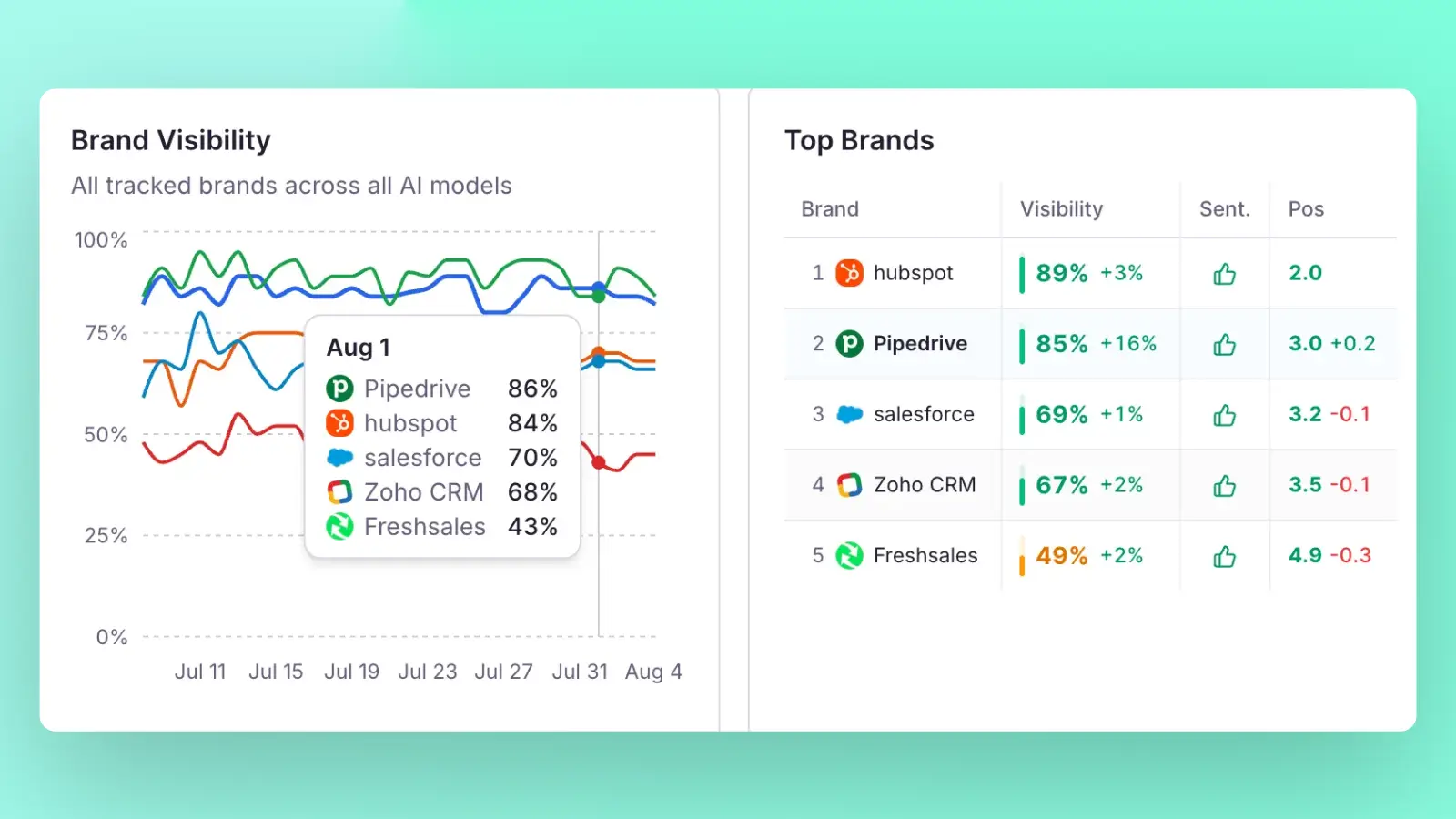
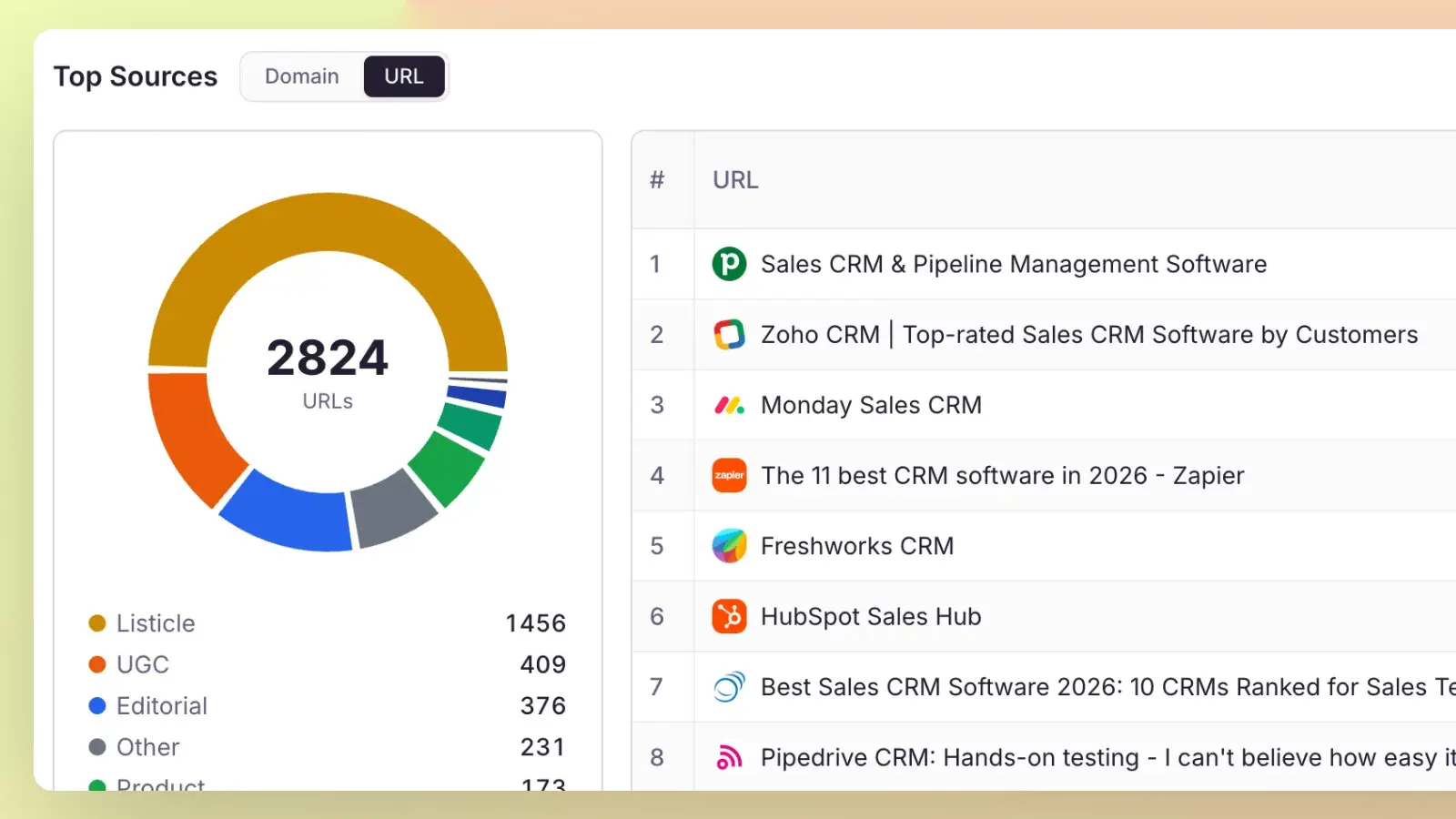
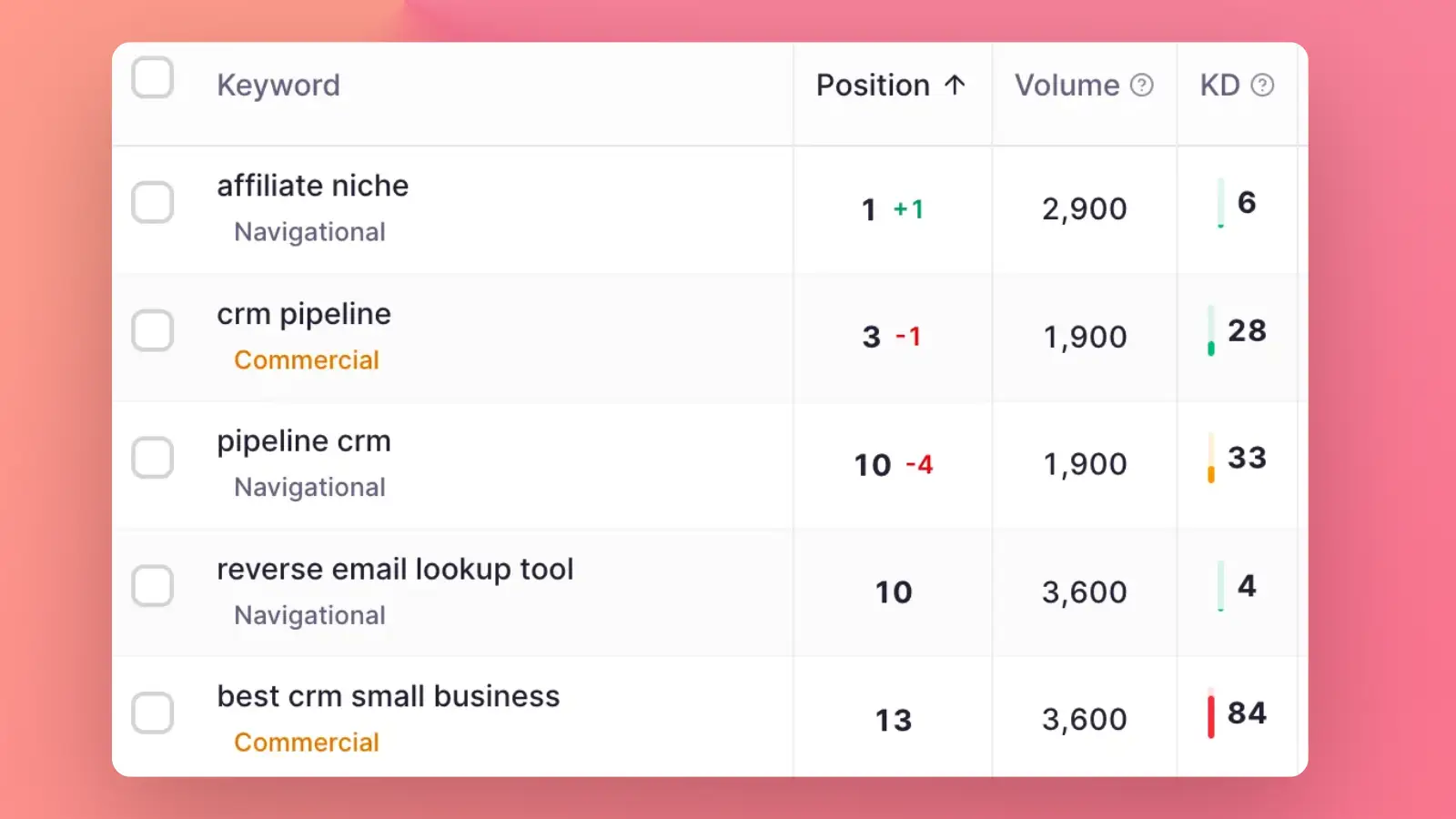
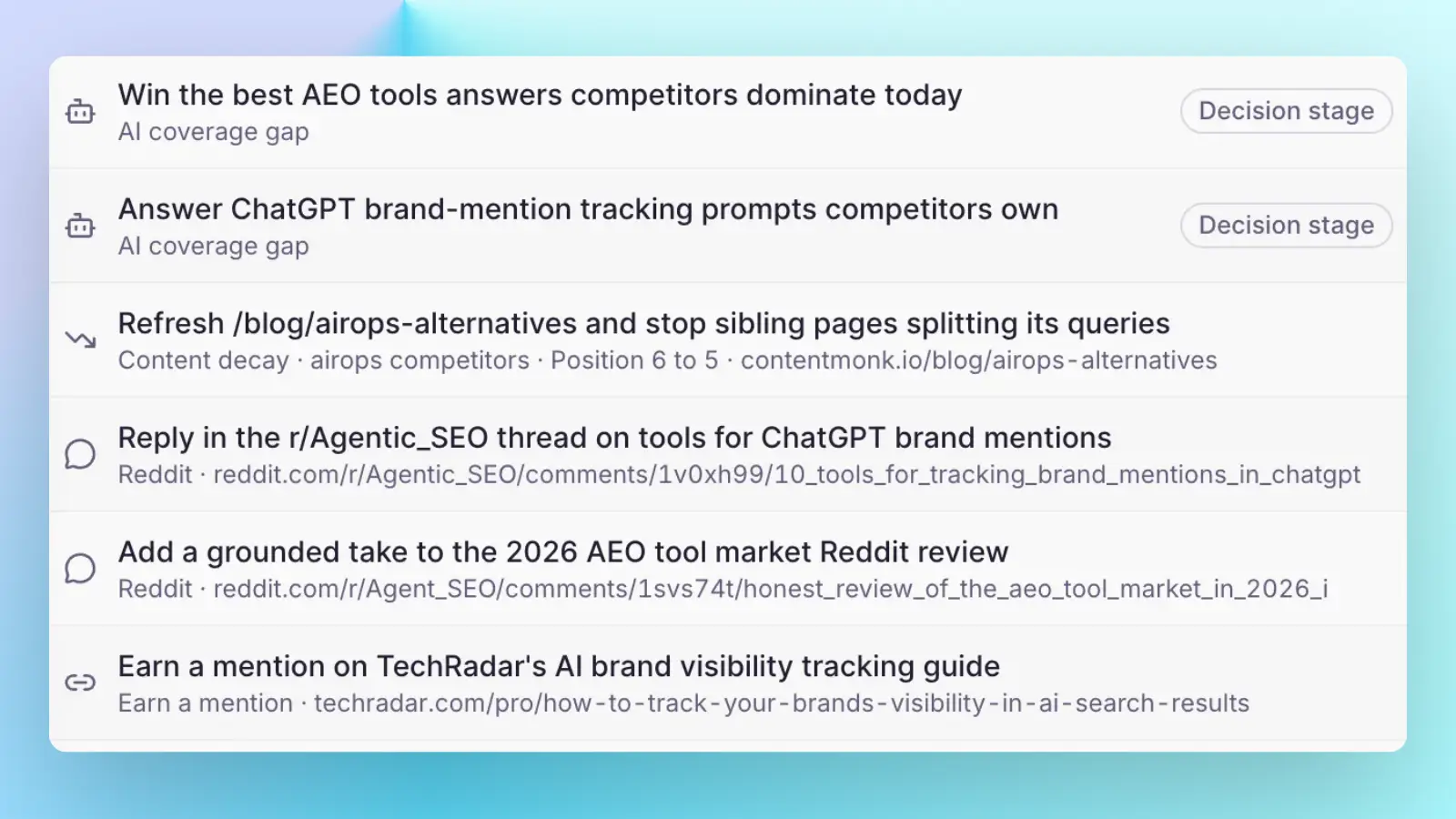
Once the research is done, everything starts with your own pages. This is the part you fully control and the part most practices skip, because a website that lists services and opening hours will not rank for anything competitive.
For a page to rank and get cited, or as we prefer to put it, to influence what AI says about your market, it has to be objectively better than what is already there. Better means more actionable, backed by something only you know, and genuinely more useful to the person reading it.
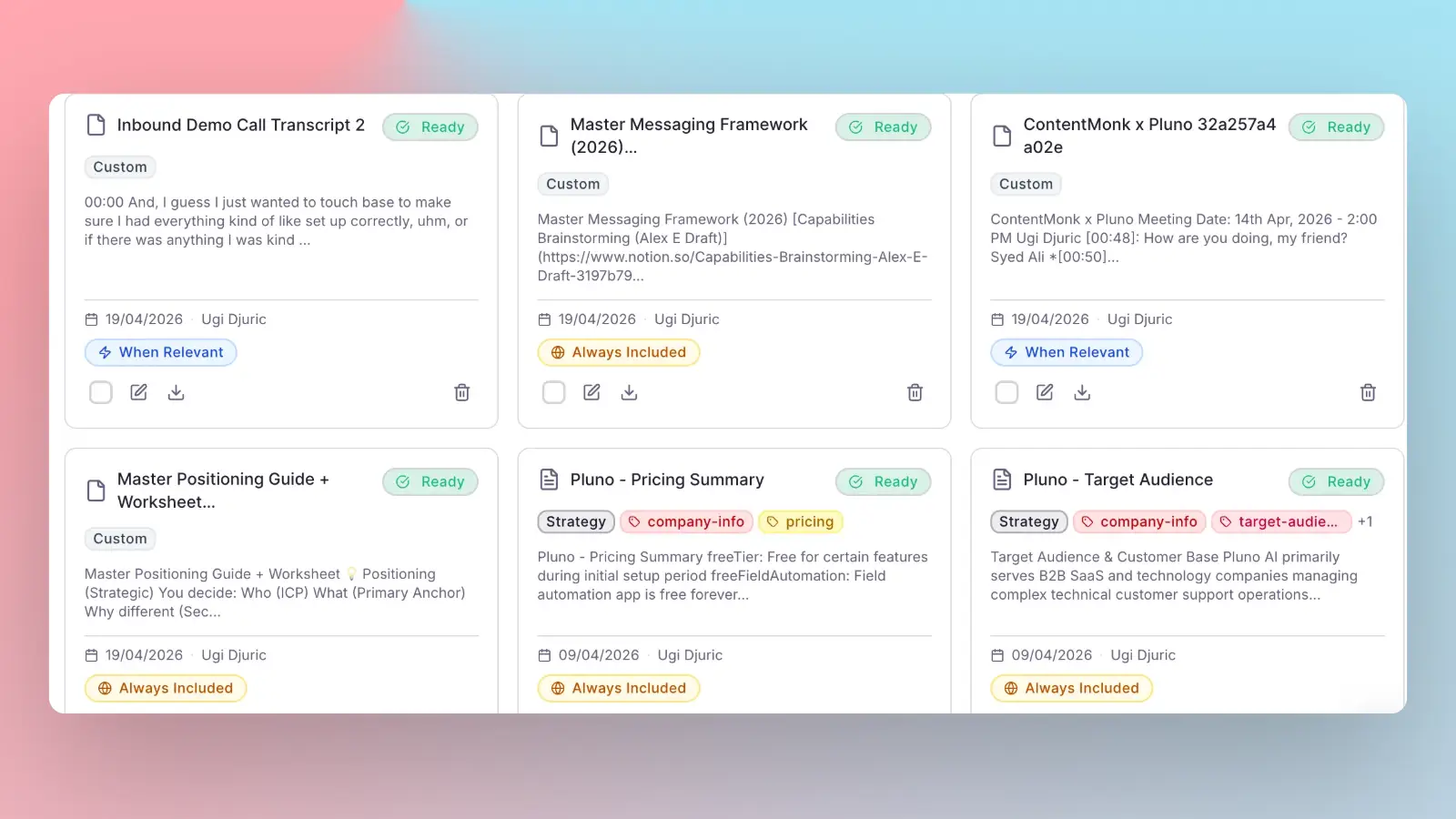
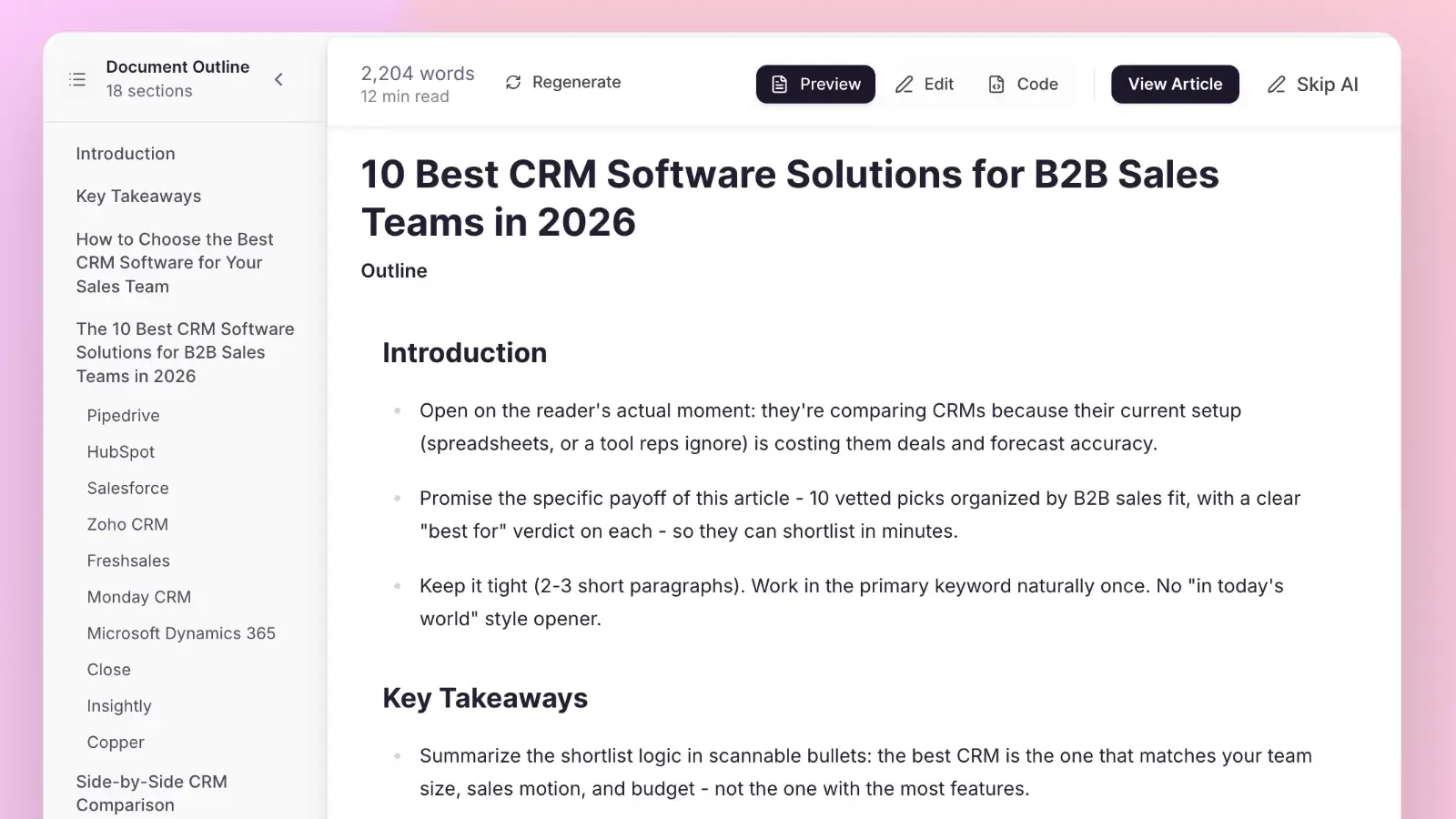
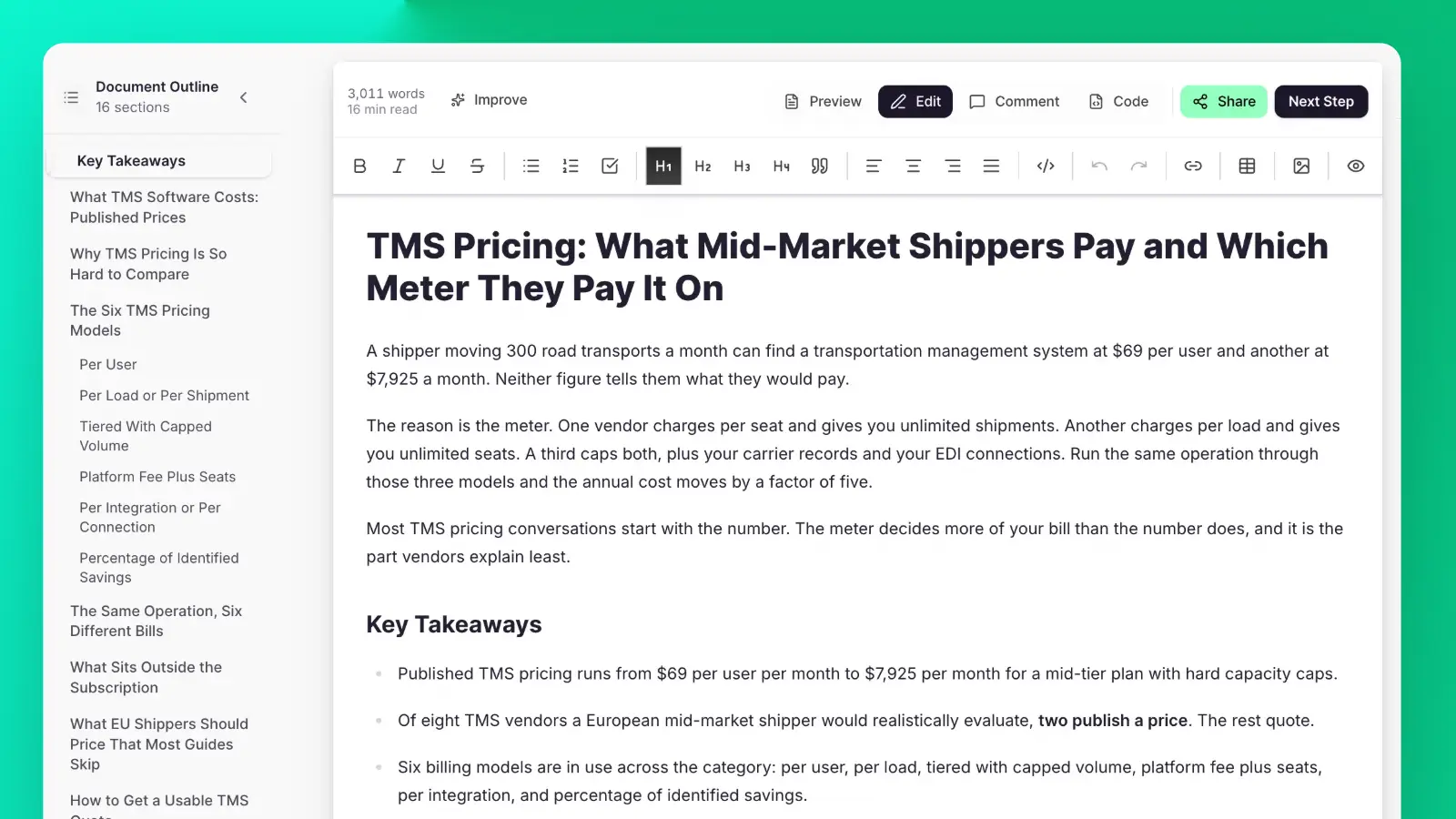
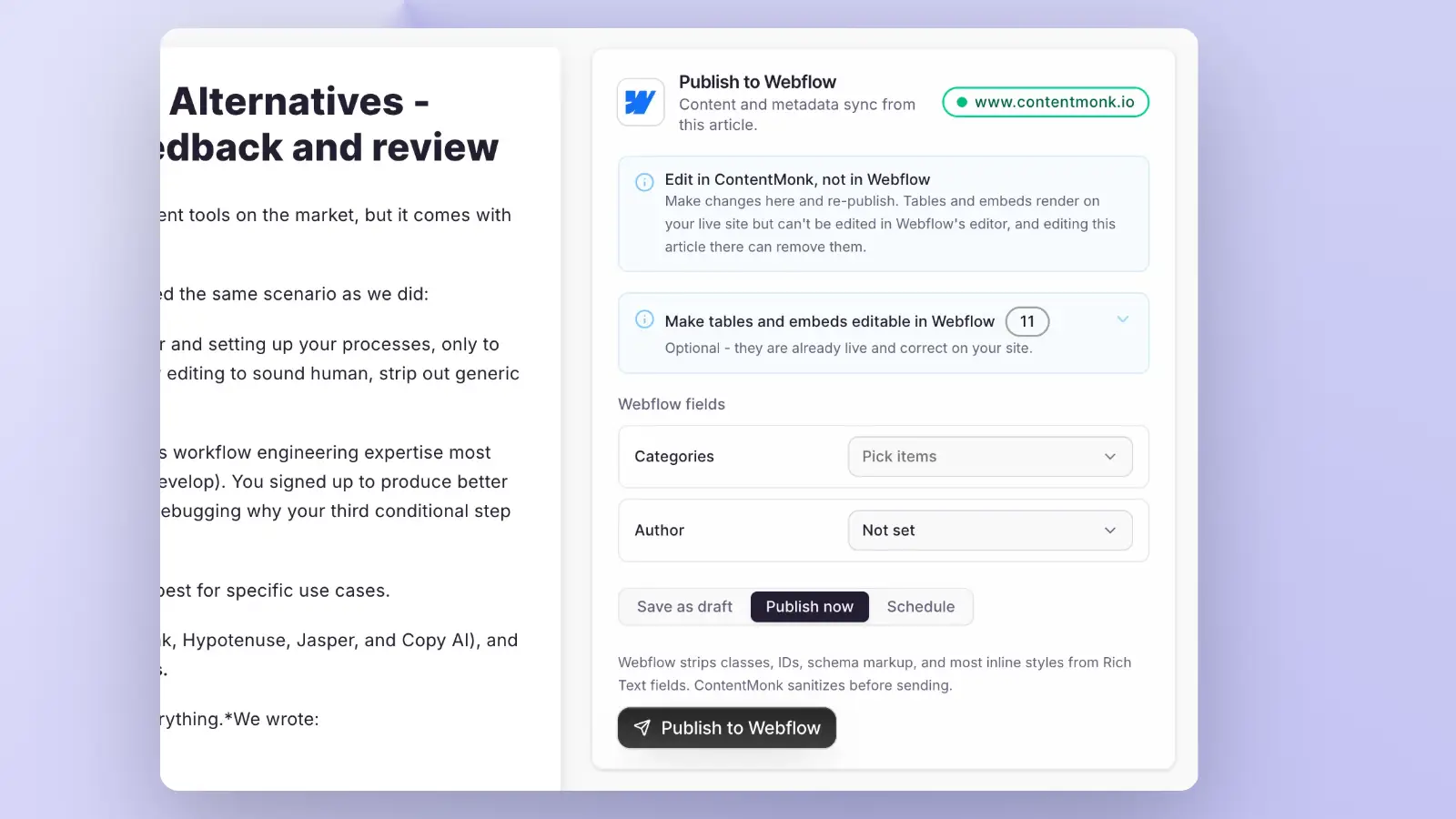
A practice relying only on its own website tends to reach roughly 15 to 20% AI visibility and then stall. Everything above that comes from other websites talking about you.
Backlinks from trusted domains are still one of the strongest ranking factors in Google, and those same domains are the ones AI assistants cite. One relationship pays you twice.
In healthcare the sources are specific and worth naming. Google Business Profile does more work than any other listing you own, because it feeds the local pack and a good deal of what appears in AI Overviews. After that come Healthgrades, Zocdoc, Vitals, WebMD Care and RateMDs.
Then there are the directories you are probably already in without checking them: the insurer find-a-doctor listings at Aetna, UnitedHealthcare and Cigna, the specialty society finders run by the AAD, ACOG and ACP, and your hospital affiliation pages.
Last, the places patients ask each other. On best dermatologist nyc a Reddit thread ranks fifth with two more threads beneath it, and on best primary care doctor nyc the discussion block is two Reddit threads and a Facebook group post.
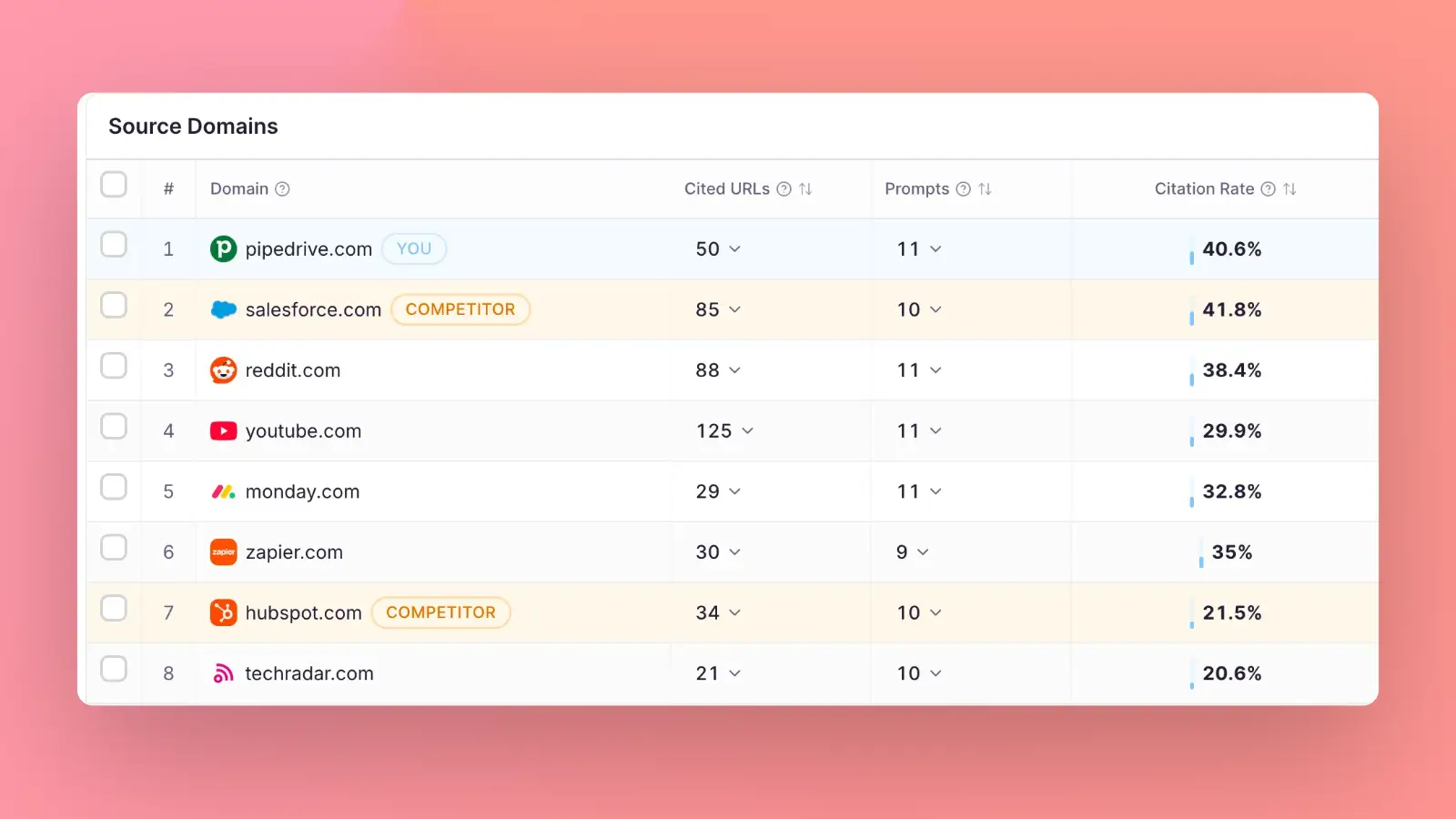
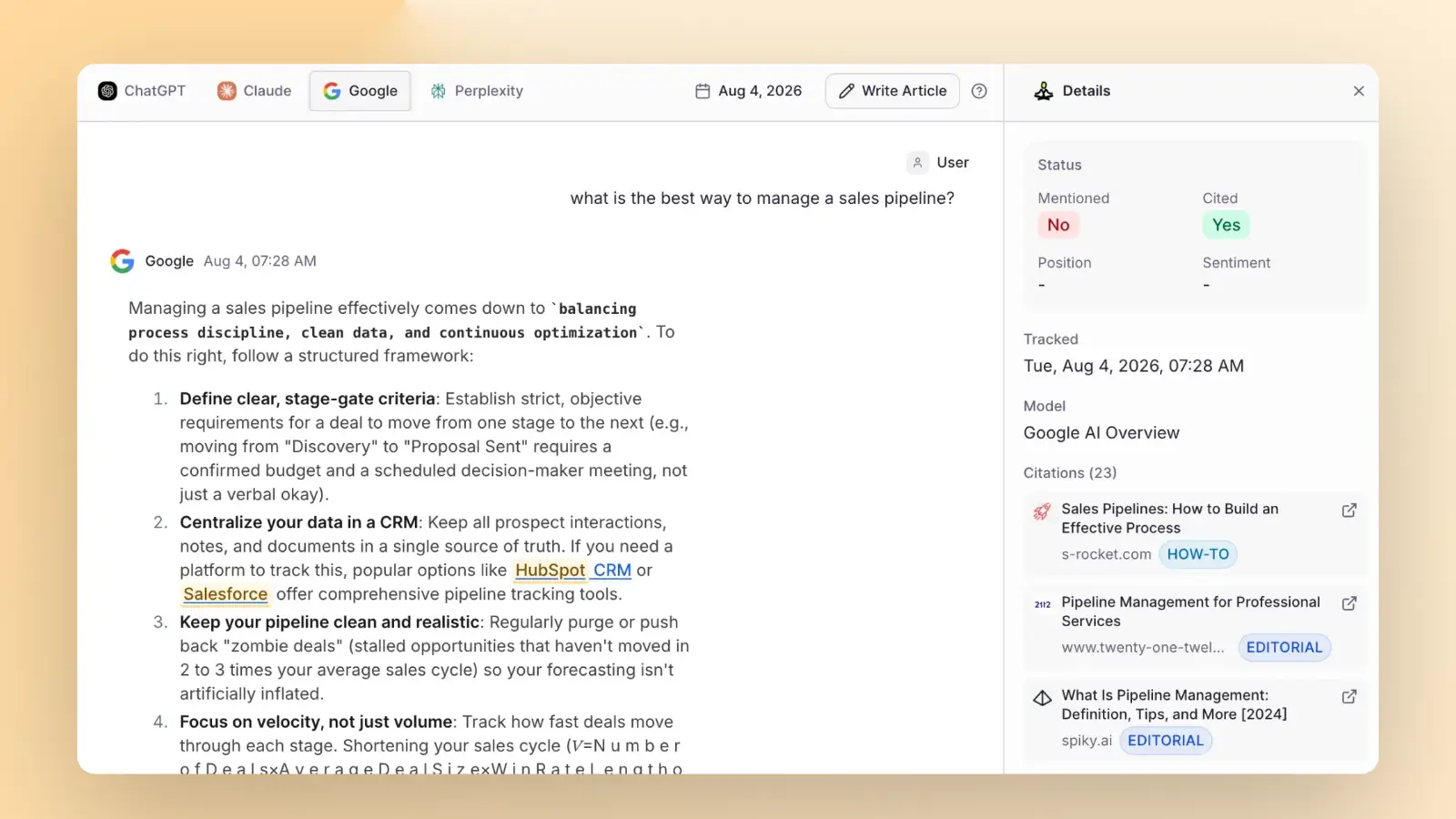
Positions move, competitors publish, and models get retrained and start citing different sources. A page that named you in March can name someone else by August without anything on your site changing.
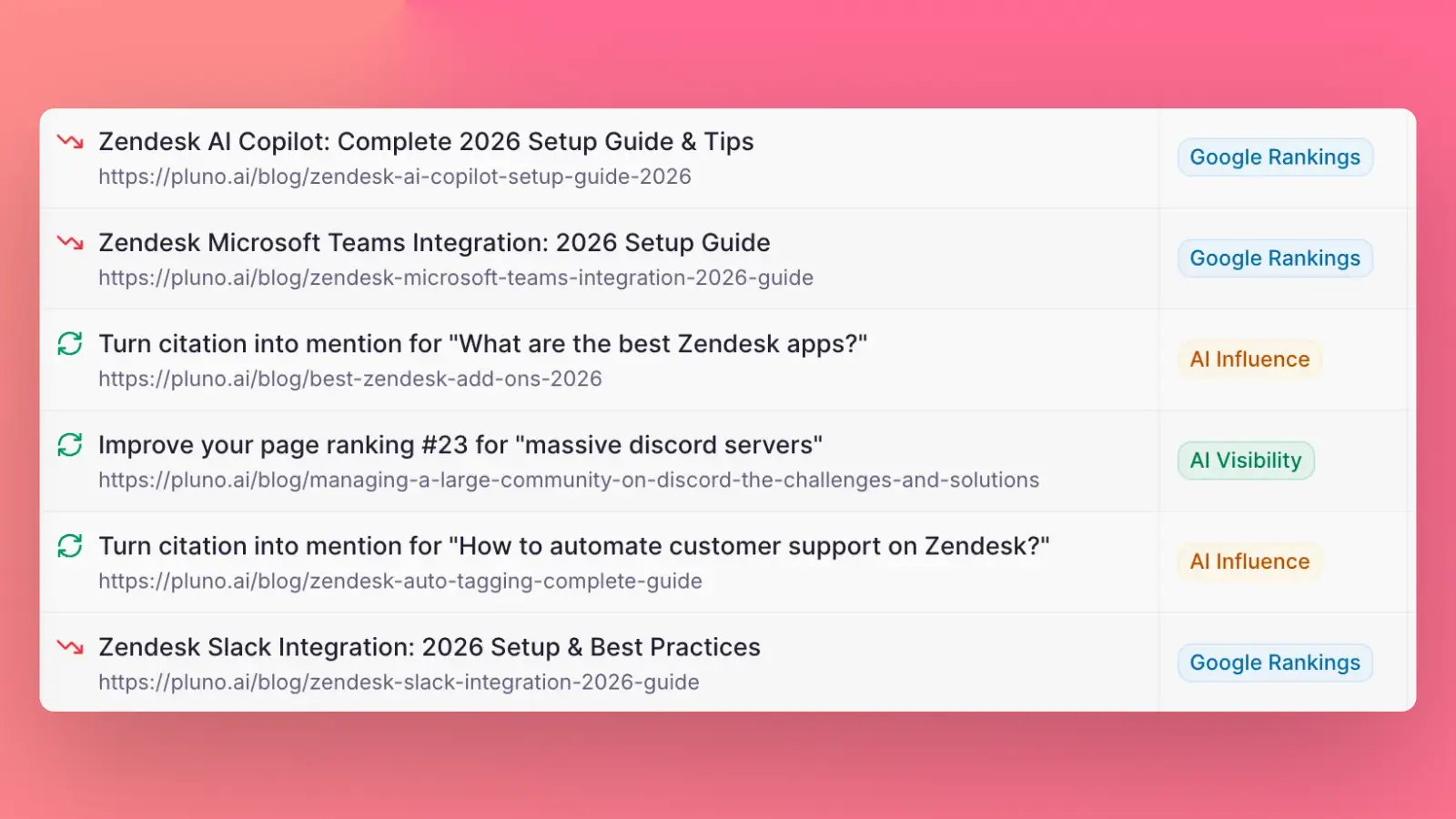
Four things to check every week: which tracked prompts stopped naming your practice, which pages lost positions, which competitor started appearing where you used to, and which pages are collecting impressions without clicks.
When a page slips, improve it rather than replacing it. Put a sharper answer near the top, refresh the sources and the dates, add whatever you have learned since you wrote it, and you keep the authority the URL has already earned.
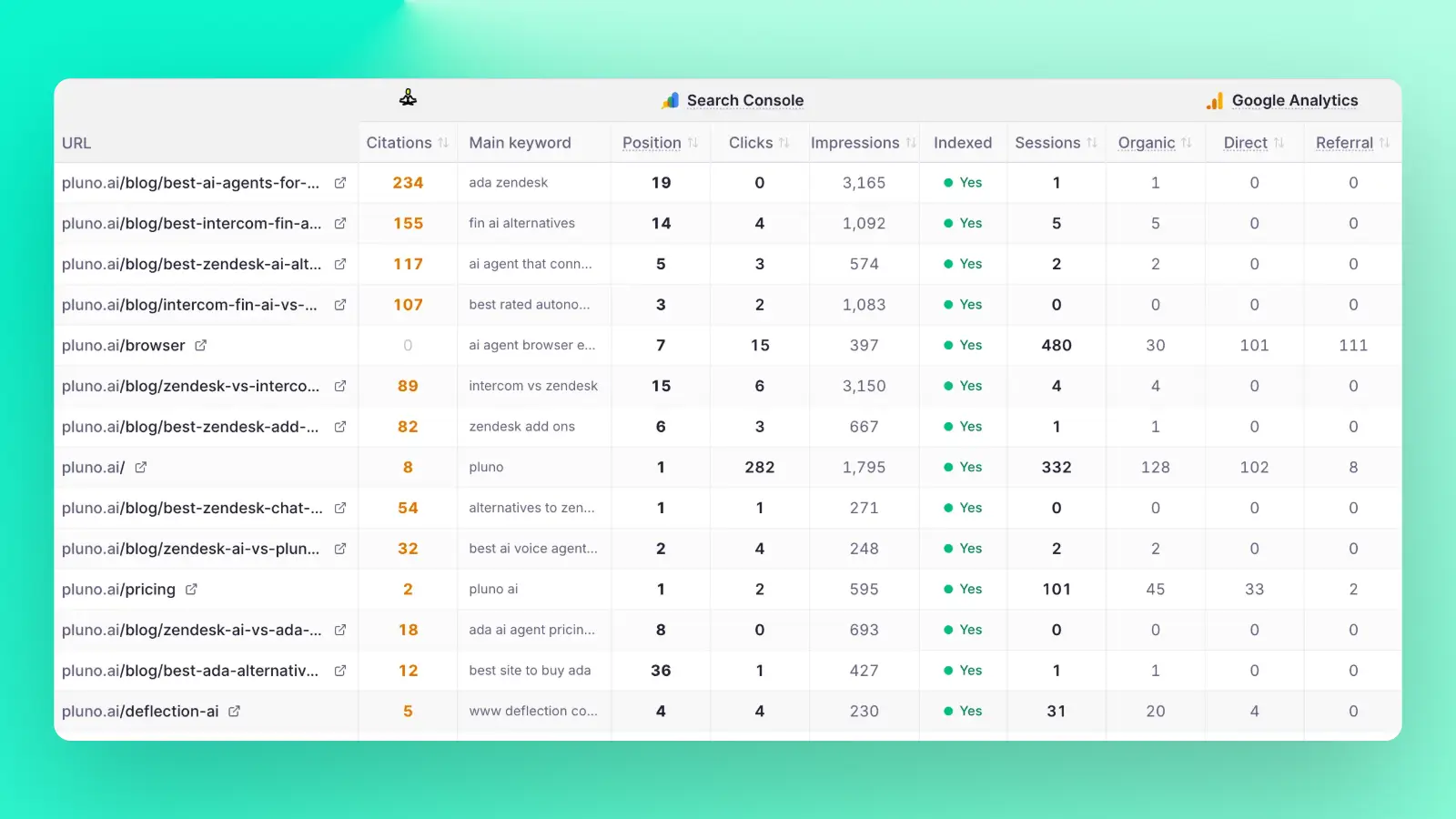
Medical searches reward this work because the person searching is usually about to spend money on care, and because click prices in healthcare are high enough that ranking organically saves you real budget. Here is the arithmetic for one practice in one major city.
These are ten bottom-of-funnel searches in New York, each a different intent.
| Bottom-of-funnel search | Monthly searches |
|---|---|
| gastroenterologist nyc | 4,400 |
| dermatologist nyc | 3,000 |
| psychiatrist nyc | 2,400 |
| endocrinologist nyc | 2,300 |
| neurologist nyc | 2,100 |
| primary care doctor nyc | 900 |
| weight loss doctor nyc | 800 |
| rheumatologist nyc | 700 |
| concierge medicine nyc | 350 |
| thyroid doctor nyc | 100 |
That is 17,050 searches a month in one city. Four of the ten sit at a difficulty of 21 or lower, which means a well-built page can reach page one without a large backlink budget behind it. The highest click price in the set is $6.00, so every one of those visits is one you would otherwise be paying for.
Traffic per page varies enormously, so counting articles tells you nothing useful. One page on the right bottom-of-funnel term can carry a thousand visits a month while five others carry fifty between them. What follows is per-plan capacity: how much of the opportunity each plan lets you research, publish against and monitor at the same time.
| How you run it | What you can work at once | Organic visits per month by month 12 | New patients per month by month 12 | Revenue earned in year 1 * |
|---|---|---|---|---|
| Starter, $99/mo | One location, a focused set of conditions and services | 700 | 2.1 | $12,600 |
| Pro, $199/mo | A full service line plus the questions around it | 1,400 | 4.2 | $25,200 |
| Scale, $449/mo | Multiple locations or specialties, tracked and updated together | 3,000 | 9.0 | $53,900 |
| Done for you, quoted | Our team runs the whole framework for your practice | 5,200 | 15.6 | $93,500 |
* These figures are deliberately conservative. The model treats every page as an average performer, and that is not how this works in practice. When the work is done properly, one page on the right bottom-of-funnel term can outperform ten others, so real numbers are likely to be considerably higher.
Custom plans go beyond Scale, so the top self-serve row is a starting point rather than a ceiling.
Done-for-you sits higher on judgement rather than output. Our team picks winnable targets on the first pass, produces content that gets cited sooner, and does the third-party work in step 4 that busy practices postpone, with scope agreed per engagement.
On the payback: at $1,200 per new patient, one patient covers a year of the Starter plan.
Illustrative model built on the assumptions listed above. ContentMonk data, US, August 2026. Not a guarantee of results.
Run the whole framework inside ContentMonk.
Every feature is on every plan, including API and MCP access. From $99 a month, with a seven-day free trial and no credit card.
Try ContentMonk for FreeFor practices who would rather hand this to people who have done it many times, or who simply do not have the hours.
We take ownership of the metrics that matter commercially, which means appointments and patients rather than impressions. We commit to results and to revenue targets.
Nearly a decade doing this across 70+ brands. Scope quoted per engagement.
Get a Free Strategy CallAEO, or answer engine optimisation, is the work of getting your practice named when a patient asks an AI assistant for a recommendation. It covers ChatGPT, Claude, Gemini, Perplexity and Google AI Overviews. In practice it means building pages that answer patient questions clearly and getting mentioned on the third-party sources those assistants cite.
SEO gets your pages ranking in Google's list of blue links. AEO gets your practice named inside an AI-generated answer, where only a few names appear at all. They rely on the same pages and the same third-party mentions, which is why running them together costs little more than running one.
Assistants build answers from pages they trust: your own site, directories like Healthgrades and Zocdoc, insurer and specialty society listings, local press, and discussion threads on Reddit and in Facebook groups. Practices that get named have accurate listings everywhere, strong pages on the conditions they treat, and third-party coverage backing both up.
Yes. Google still sends the largest share of patient traffic, and the assistants read the pages Google ranks. Strong SEO is what makes your site visible to the crawlers that feed AI answers, so dropping it removes the foundation the AI visibility sits on.
Running it yourself with software starts at $99 a month, and a seven-day free trial needs no card. Agency retainers in healthcare typically run from a few thousand a month upward depending on scope. Our done-for-you engagements are quoted per practice, based on how many locations and service lines are in play.
Most practices can do it themselves. The work is research, writing pages properly and keeping listings correct, and none of that requires a marketing background. The usual reason to bring someone in is time rather than difficulty, since the writing and the third-party outreach are what get postponed when clinic is full.
Expect the first movement around month three or four, with results compounding from there. Low-difficulty condition and location terms move fastest, which is why the framework starts there. The forecast on this page assumes nothing happens at all for the first three months.
Patient-facing content about conditions and treatments is standard practice and carries no special restriction, but it does need to be clinically accurate and it must never include patient information. Have a physician review anything clinical before it goes live, keep the claims consistent with your specialty's guidance, and steer clear of anything that reads as a guarantee of outcome.
Start a free trial to see exactly where your practice stands, get the opportunities ranked in order of what is worth your time, and turn both into booked patients. Or have our team run the five-step framework for you.