How people now decide which lawyer to call
Someone with a legal problem used to open Google, look through the results, and call two or three firms from the first page. That still happens.
A growing share of them now describe the problem to an AI assistant instead, or read the AI summary at the top of the Google page and go no further. ChatGPT, Claude, Gemini, Perplexity, Copilot and Google's own AI Overviews all answer the same way: one recommendation naming three or four firms, with no list of ten links to work through.
Both routes are live at the same time, and both end in a phone call. The difference is that on the second one, being on page one is no longer enough. If the answer does not name you, you were never in the conversation.
SEO and AEO are now one job
The two routes read the same pages. AI assistants build their answers largely from sites that already rank well, so the page earning your Google position is usually the page earning your mention in an AI answer.
That is why they belong together. Keep focusing on SEO only and you pick up the rankings while missing the questions where an assistant recommends someone else. Treat AI visibility as a separate project and you pay twice for work that overlaps. Run them as one job and every page you publish does both.
Below is the framework for doing that: how to get rankings on Google for the searches that bring you clients, how to get recommended in AI answers, and how to turn both into signed cases.
How a small law firm out-ranks the national brands
Munley Law is a personal injury law firm in Scranton, Pennsylvania. They have no national office network and no Super Bowl ad budget. They did the work properly instead, and their results in SEO and AI search now match firms many times their size.
What makes them worth studying is where they win. These are bottom-of-funnel searches, the ones people run when they are ready to hire a lawyer.
The searches they own
| Bottom-of-funnel search | Position and detail |
|---|---|
| drowning accident lawyer | #3, 2,000 searches a month, difficulty 0 |
| scranton car accident lawyer | #2, advertisers pay $20.72 a click on this term |
| casino accident lawyer | #3, a case type almost no firm builds a page for |
| jackknife truck accident lawyer | #6, 2,600 searches a month, difficulty 0 |
| i was a passenger in a car accident, who do i sue | #6, 5,900 searches a month, difficulty 0 |
| full tort vs limited tort | #5, 1,300 searches a month, difficulty 4 |
| pa car seat laws | #1, 1,300 searches a month, difficulty 1 |
| best and worst states for drivers | One page ranking for 8+ keywords, four in the top three |
Three things stand out. They build pages for narrow case types the large firms ignore, where the difficulty scores sit near zero. They answer the questions injured people genuinely type, including ones with no obvious commercial value. And they own their state's rules, so Pennsylvania searches about tort law or car seats land on their site rather than a competitor's.
None of this required a national brand or a large budget. It required the right list of bottom-of-funnel searches and pages that answer them better than anyone else had bothered to.
In the guide below we show you how to do SEO and AEO for lawyers the same way, using our five-step framework, so you can reach the same kind of results in your own market.
All figures from ContentMonk, US data, August 2026. Munley Law has no affiliation with ContentMonk and is not a customer.
The 5-step framework to do SEO and AEO for lawyers
Below we walk through how to execute each of these five steps as well as it can be done, so that you get rankings on Google for the searches that bring you cases, get recommended when someone asks an AI assistant which firm to call, and turn both into signed clients.
Everything is specific to a law firm rather than generic advice, with the searches, sources and examples that apply to legal work.
1. Find the prompts and keywords your clients use before they hire
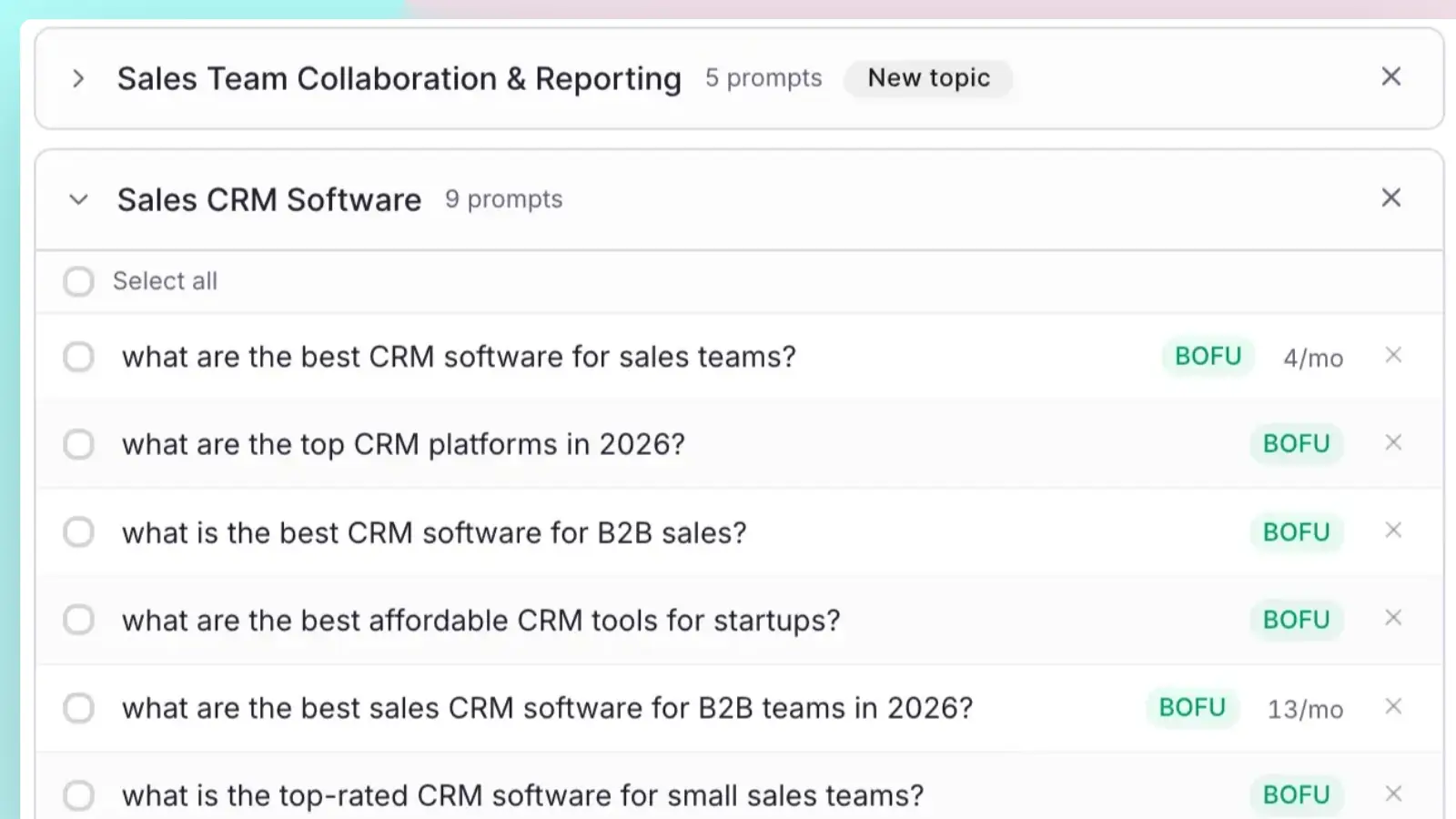
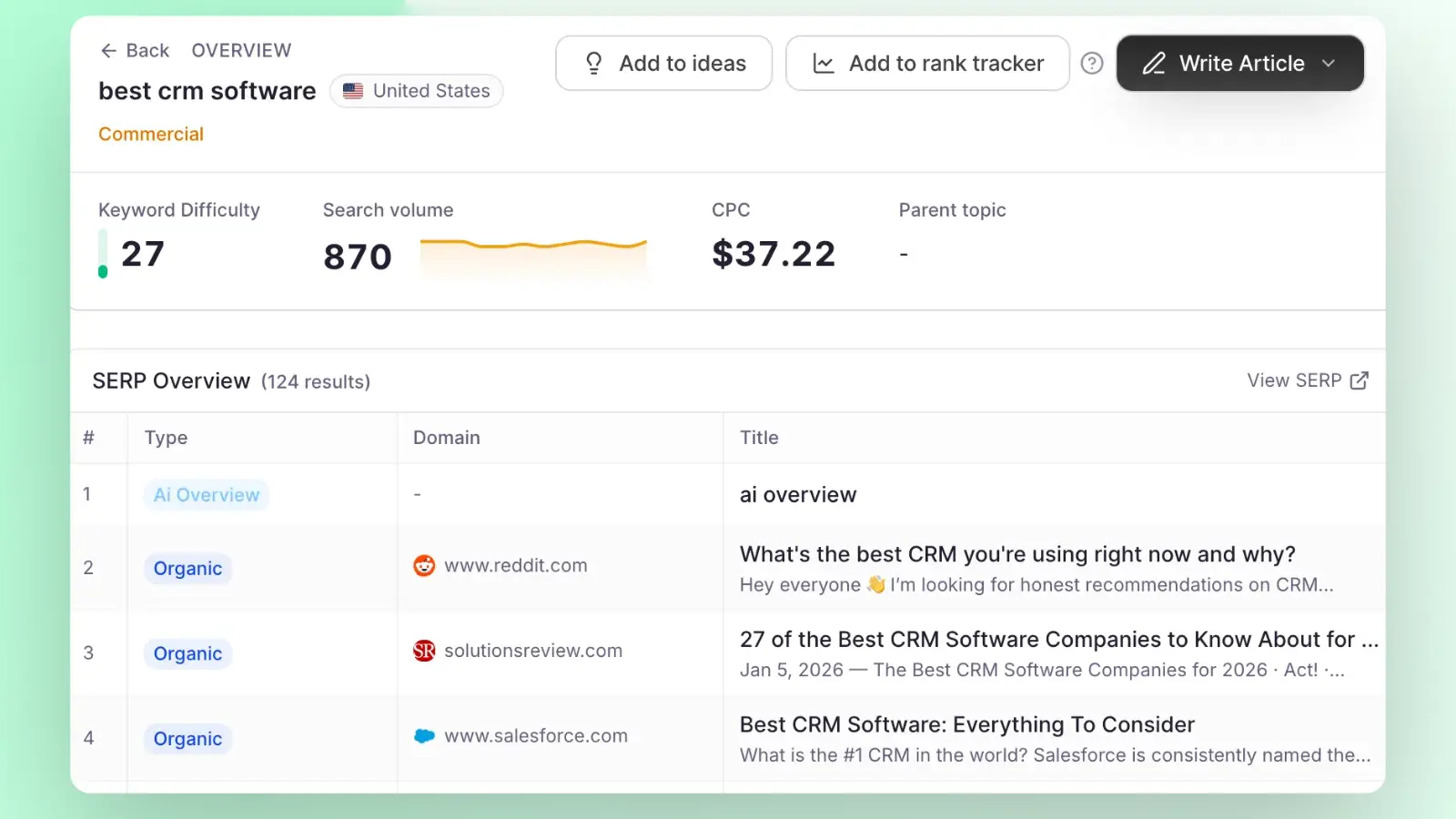
The first step is identifying the bottom-of-funnel prompts and keywords your clients use right before they are ready to hire someone.
A bottom-of-funnel prompt, or BOFU prompt, is a question someone asks when they have decided they need a lawyer and are choosing which one. Who is the best personal injury lawyer in New York is a BOFU prompt. What is personal injury law is not. The first person is ready to call someone. The second is reading.
These show up in two places now, and you want both:
| Keyword they type into Google | Prompt they give an AI assistant |
|---|---|
| best personal injury lawyer new york | Who is the best personal injury lawyer in New York? |
| criminal defense attorney chicago | Who should I call for a first DUI in Chicago? |
| construction accident lawyer nyc | Which firm handles scaffolding injury claims in NYC? |
| employment lawyer free consultation | Which employment lawyers offer a free consultation near me? |
| workers comp attorney near me | Who represents workers in comp claims in my area? |
Go after the smaller niches too
Most firms only chase the obvious terms, which is why those are the hardest to win. The money sits further down.
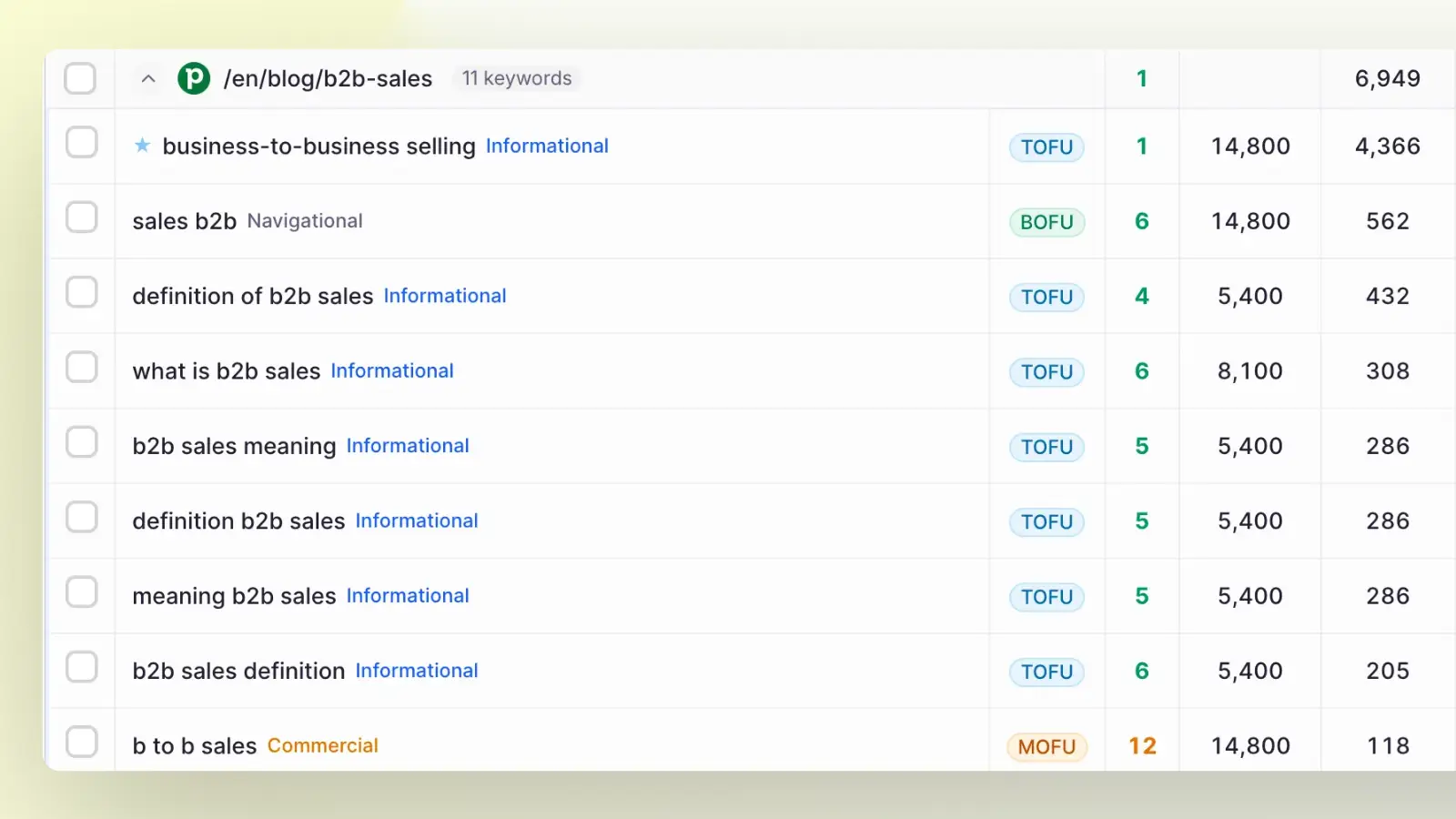
Narrow from lawyer, to practice area, to practice area plus location, then to specific case types inside that. Personal injury lawyer is a fight you will lose for years. Scaffolding accident lawyer Brooklyn is a case, and often nobody has built a decent page for it. A hundred visitors on a term that specific is worth more than ten thousand on something generic, because every one of them has the exact problem you handle.
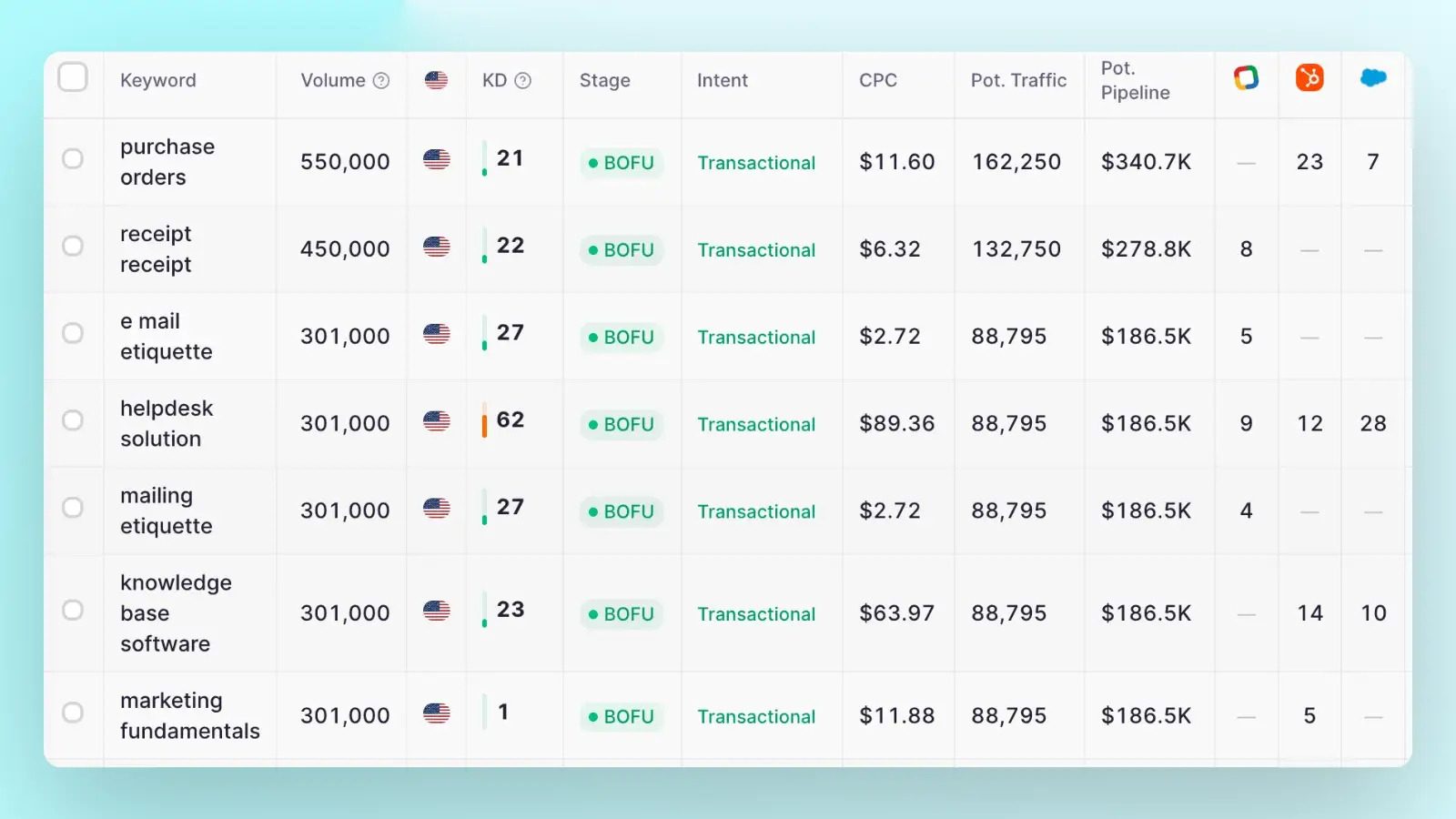
Work through every practice area, every case type inside it and every location you serve, then write down every prompt and keyword you find. Aim for as complete a list as you can build. Step 2 is where you work out which ones you can actually win.
Get a free SEO and AEO audit of your firm
See which AI answers name you, where you rank today, and which bottom-of-funnel searches you are missing. No account needed, and it takes a couple of minutes.
Run My Free Audit2. Understand why other firms are winning those searches
Whoever ranks and gets recommended today did the work. Nobody hands you the method, so you reverse-engineer what is producing their results and then do it better.
Four things to work out for each search on your list:
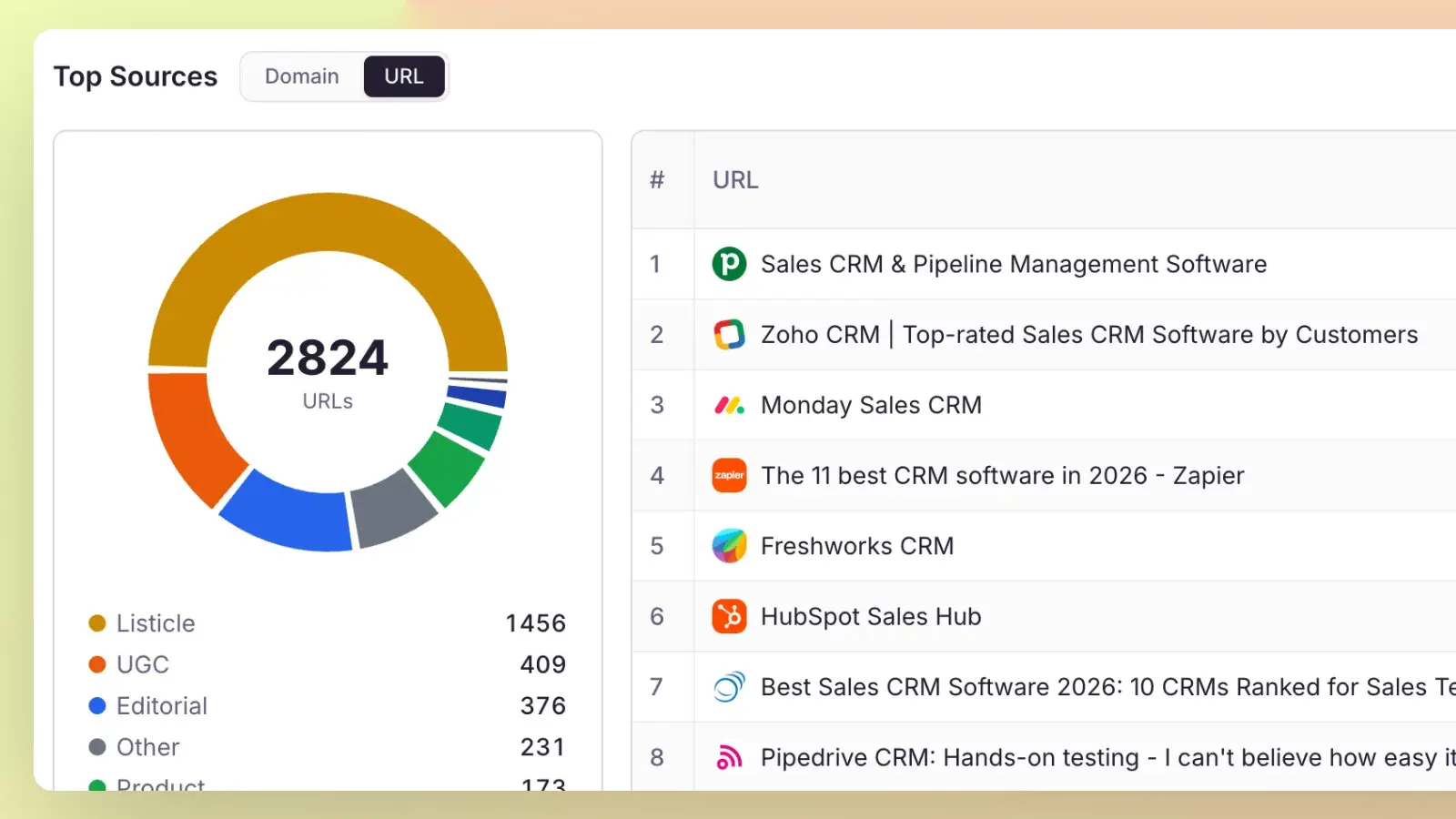
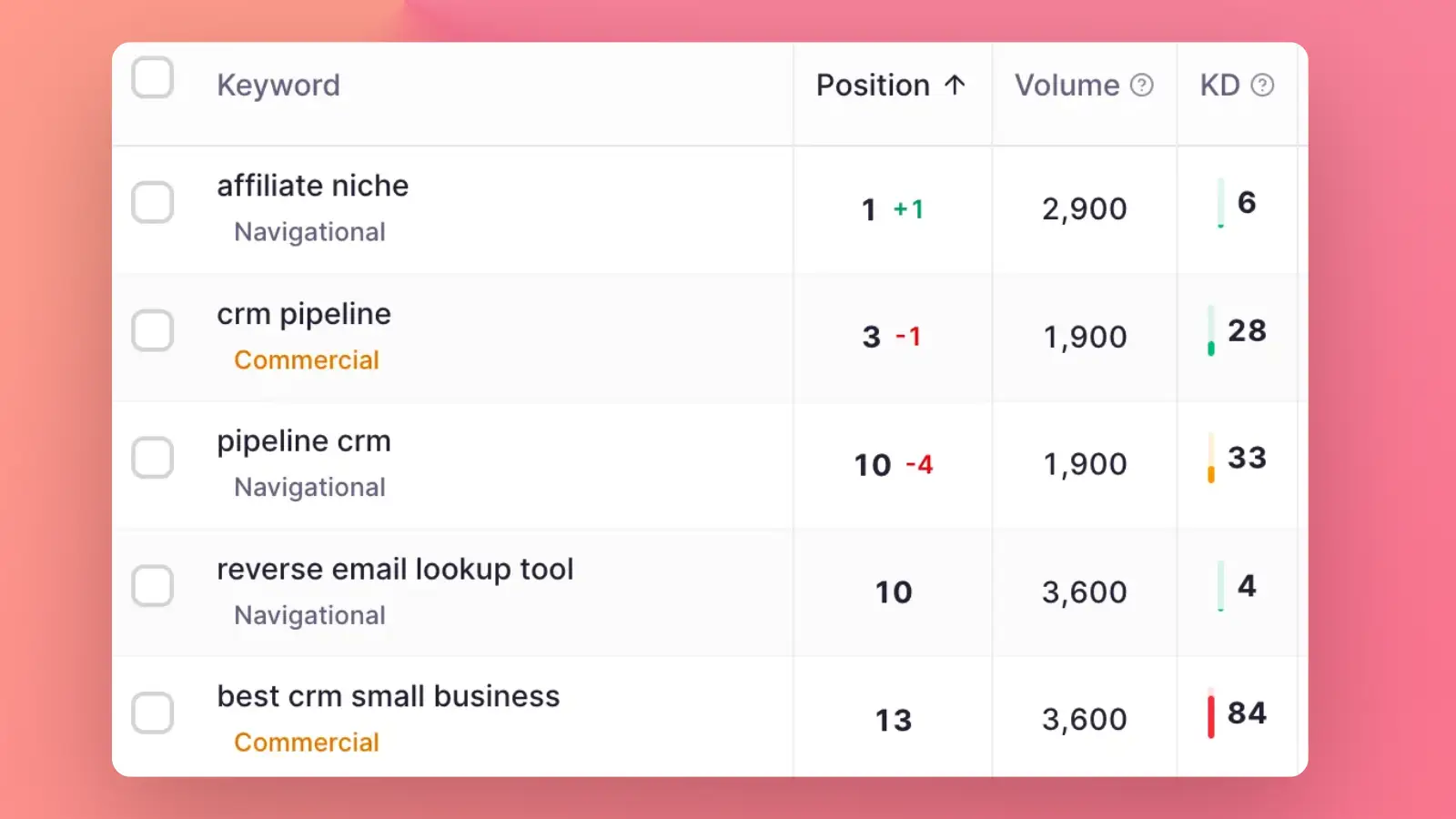
- What kind of page is winning. Some searches reward a detailed guide, others a service page, others a directory listing. Look at what is actually ranking for each of your terms rather than assuming, because it varies from keyword to keyword.
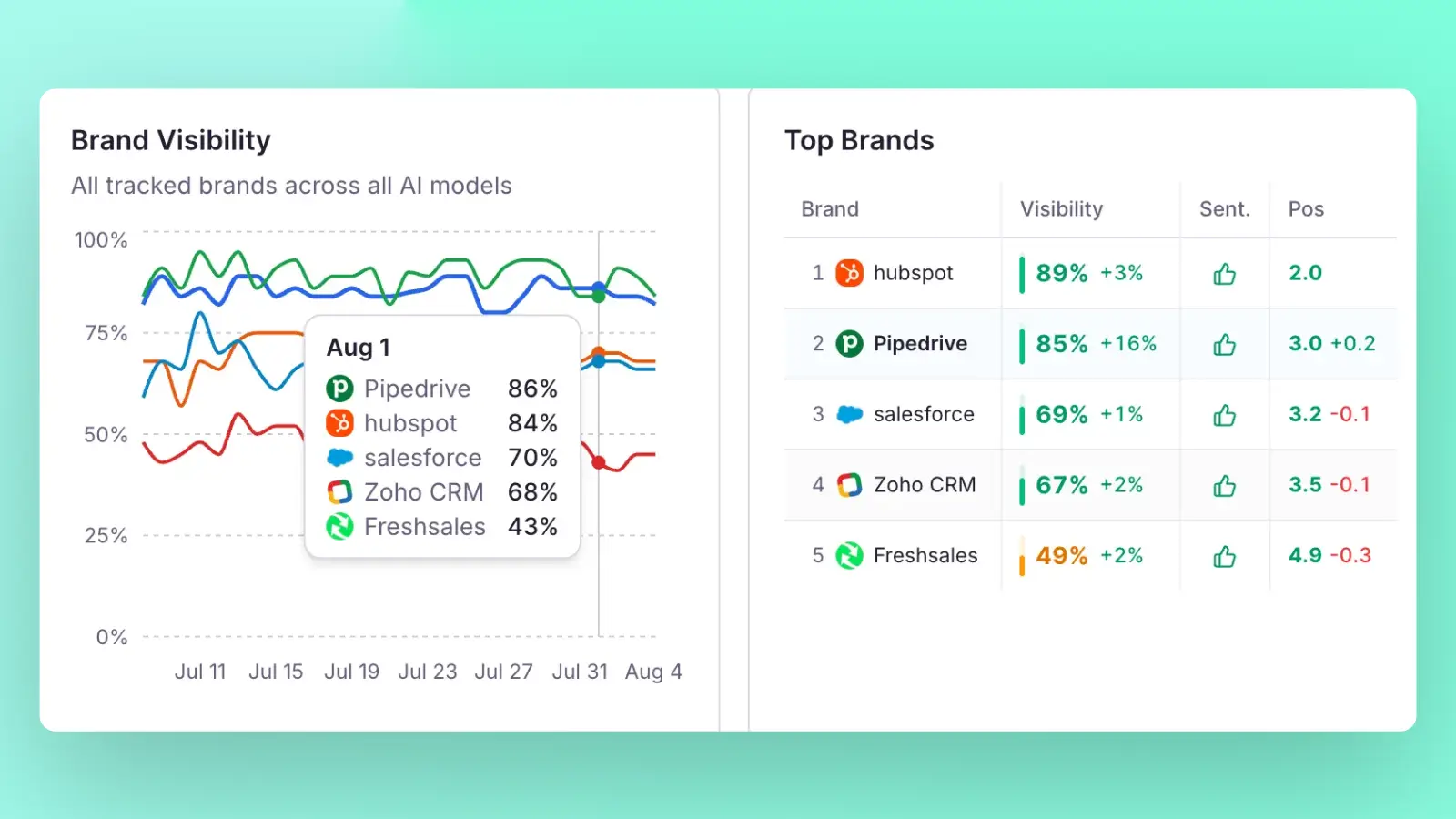
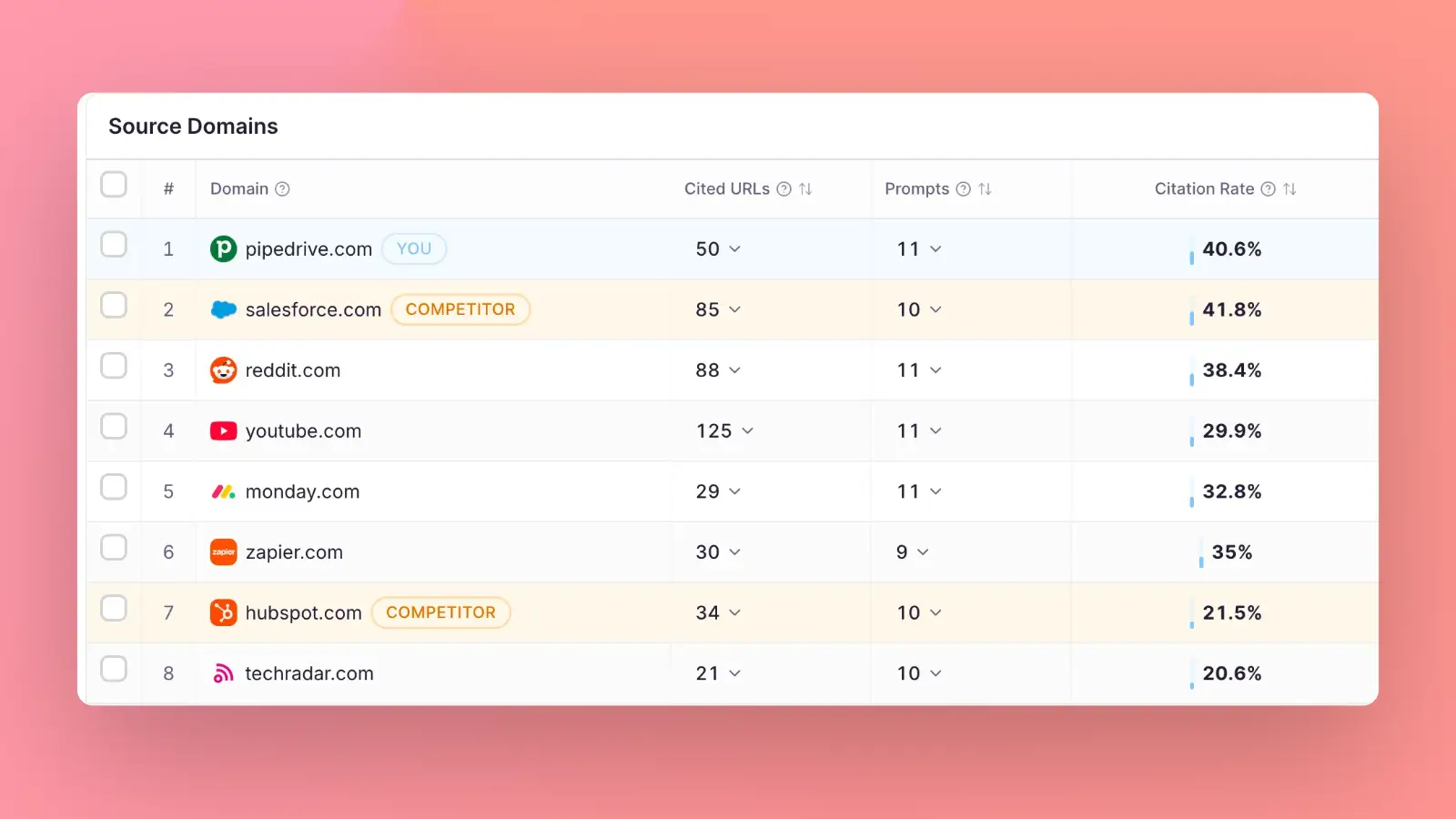
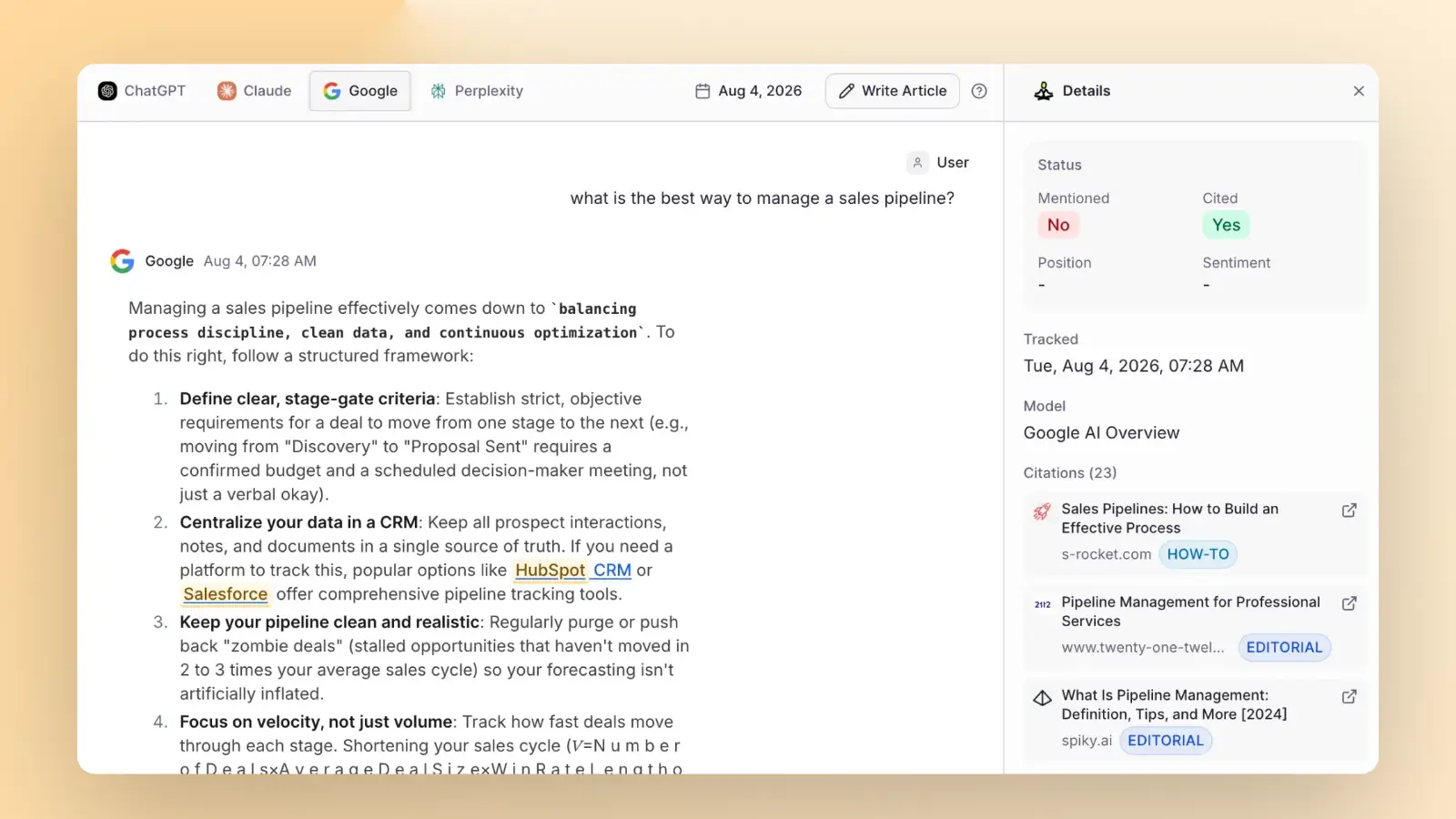
- What sources AI cites before answering. Each answer is built from specific pages: directories, bar listings, review platforms, long-form guides. Understanding what AI favours for your searches tells you what a better version of that page needs to contain.
- What the answers say about those firms. Which ones get described favourably, on what basis, and whether the reasons are things you could claim too.
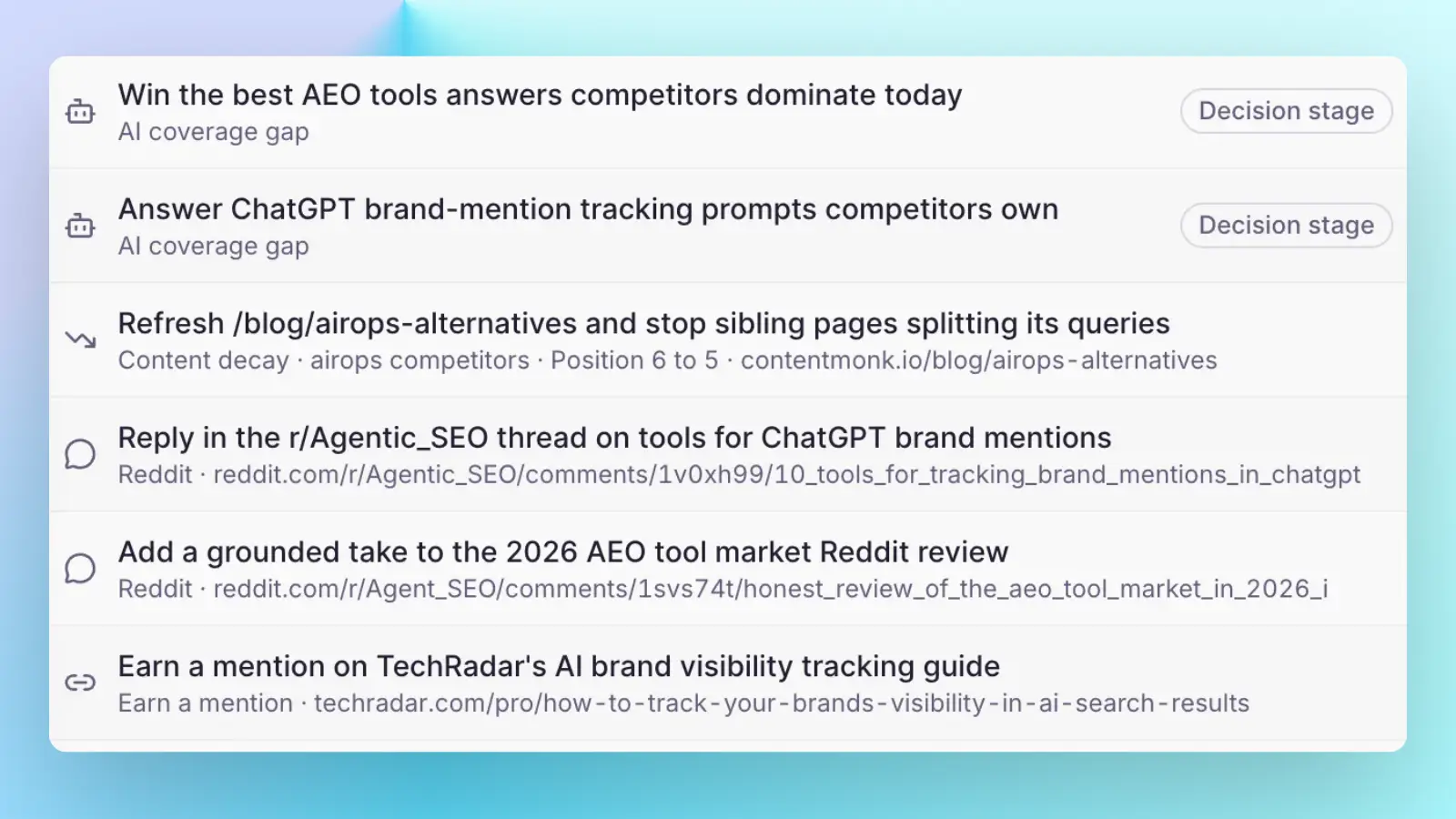
- Where nobody has done a good job. The searches with weak answers are the fastest wins, and there are usually more of them than firms expect.
3. Create better content that ranks and gets cited by AI
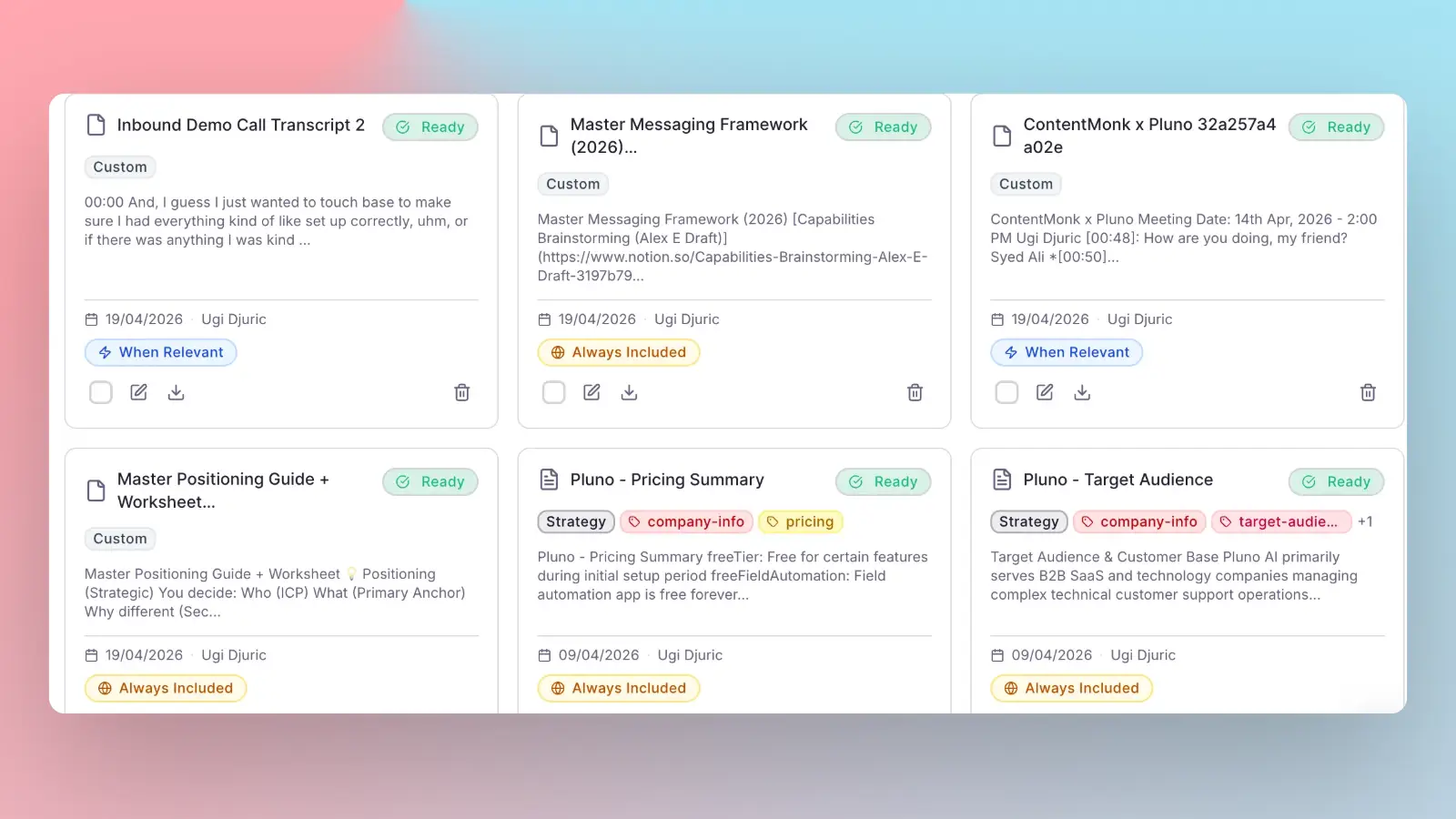
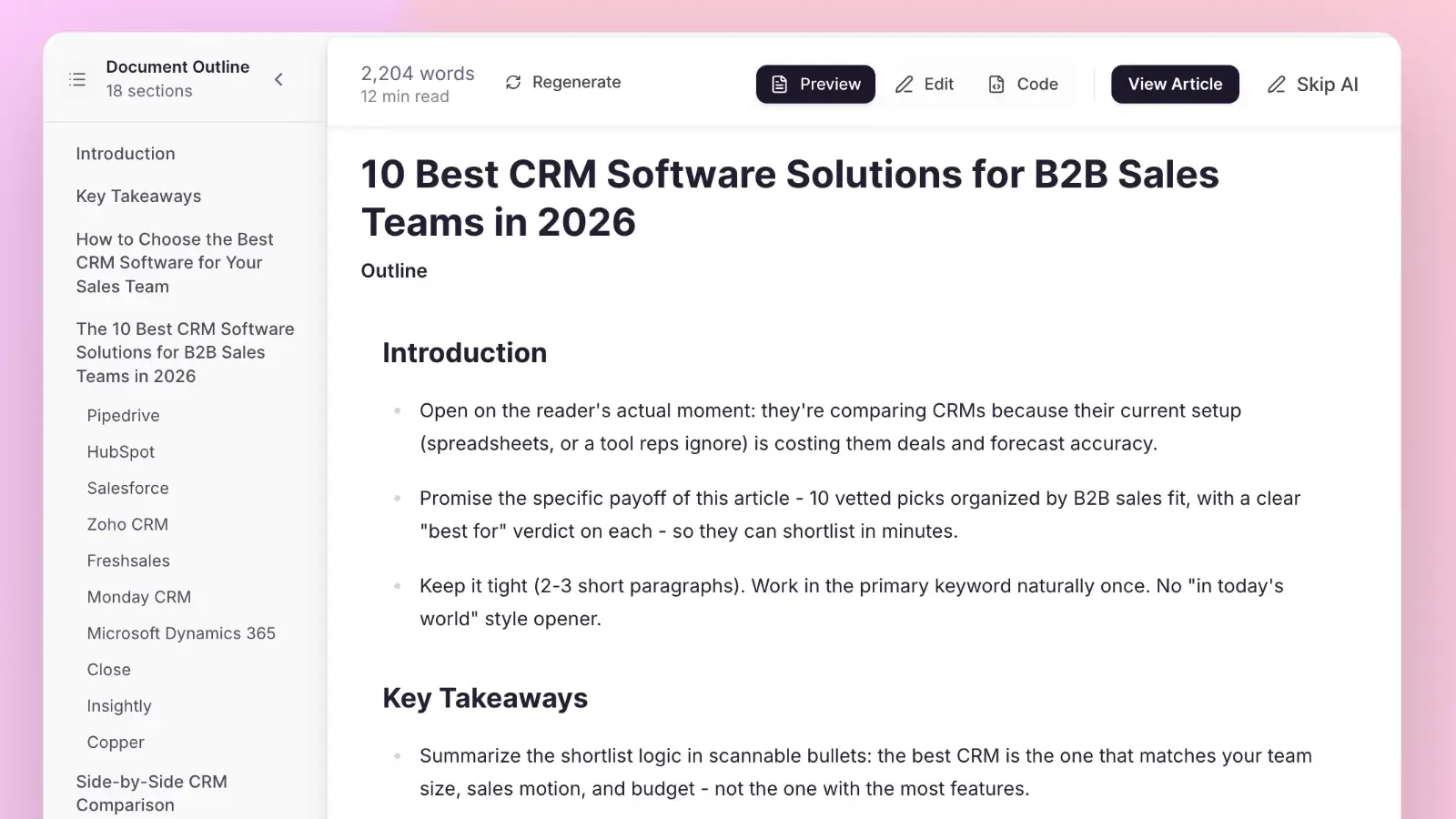
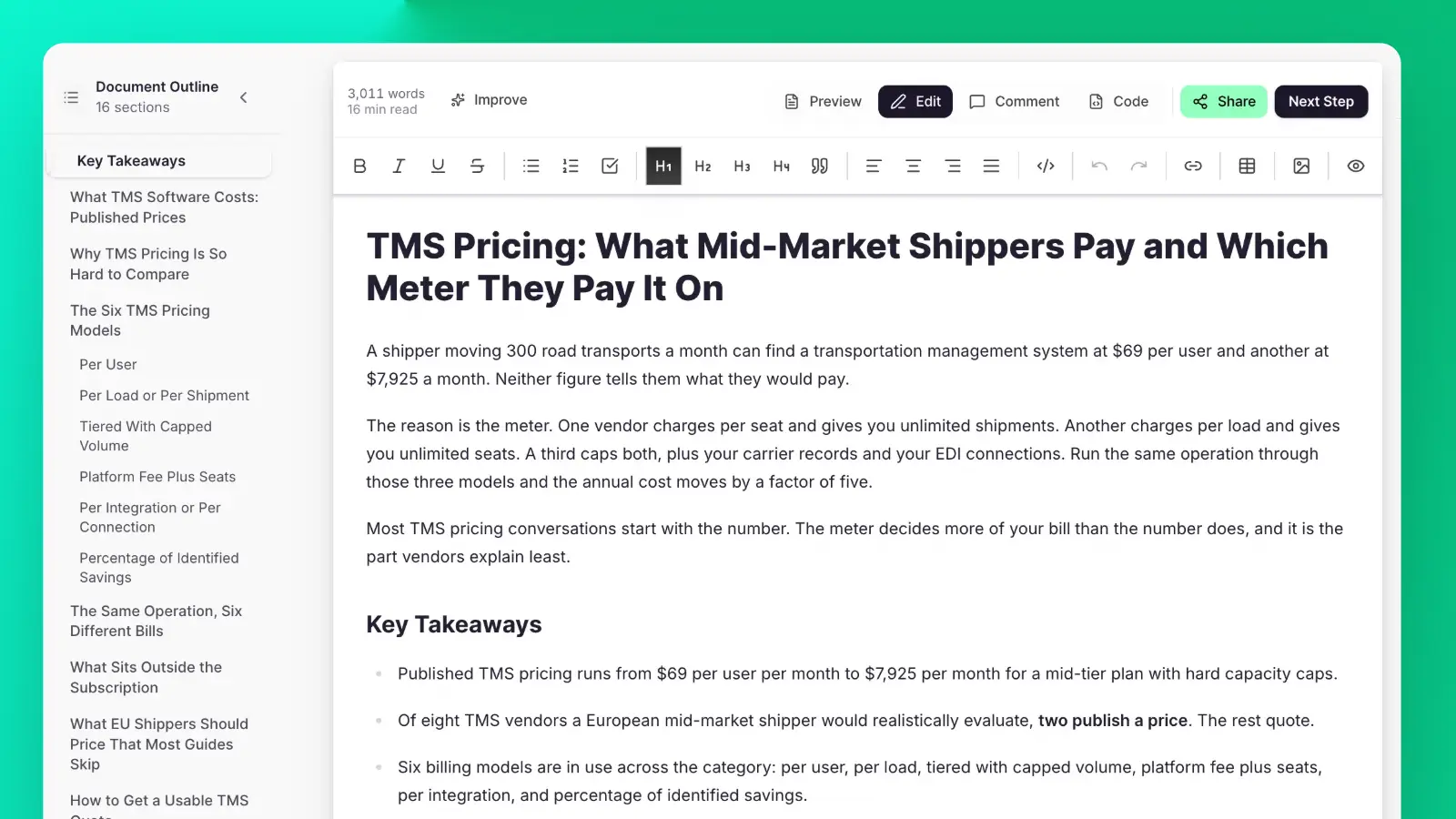
Once the research is done, results start with your own content. For a page to rank on Google and get cited by AI, or as we prefer to put it, to influence what AI says about your market, it has to be objectively better than what is already there.
Better means more actionable, backed by first-party data the competition does not have, and genuinely more useful for the person with the problem. Matching what ranks today gets you nowhere, because there is no reason for anything to change.
Tips for content that ranks and gets cited
- Answer the question early. Put the actual answer in the first paragraph, before any background about your firm. AI models read the top of the page and rarely reach the end.
- Lead with first-party data and a clear point of view. Your case outcomes, your settlement ranges, what you see in your local courts. This is the material no competitor can copy and no model can generate, and it is the most common reason one page gets cited over another.
- Keep the page well formatted and easy to read. Clear headings, short paragraphs, tables where they help, direct claims with numbers. The same structure that makes a page pleasant for a client makes it easy for a model to quote accurately.
- Match the page to the search, not to your service list. Build for the bottom-of-funnel term you identified in step 1, and cover it properly rather than splitting it across thin pages that compete with each other.
- Keep it current. Legal answers depend on rules that change. A page with this year's figures gets cited over one with figures from three years ago.
4. Get mentioned and linked on the sources AI trusts
Your own pages take you part of the way. In our experience a firm working only on its own content tends to reach somewhere around 15 to 20% visibility in AI answers, then stalls. Everything above that comes from other websites talking about you.
This matters on both sides. Backlinks from trusted domains are still one of the strongest ranking factors on Google, and the same domains are the ones AI models cite when they answer. One relationship often pays twice.
For law firms the sources are fairly predictable: bar association directories, platforms like Avvo and Justia, legal press, local news, and the Reddit and LinkedIn threads where people ask for recommendations. Two jobs:
- Fix what you already control. Complete and consistent profiles on your Google Business Profile, your bar listing and the major directories. These get re-read often, so corrections show up in answers within weeks.
- Earn the rest. Commentary in legal publications, local press coverage, and genuine participation in the threads your clients read. A mention on a source AI already cites moves your visibility further than another post on your own blog.
5. Monitor your results and improve on them
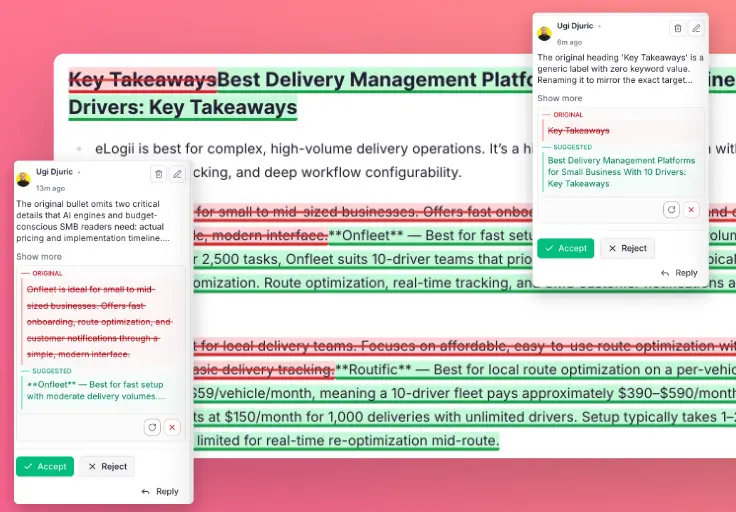
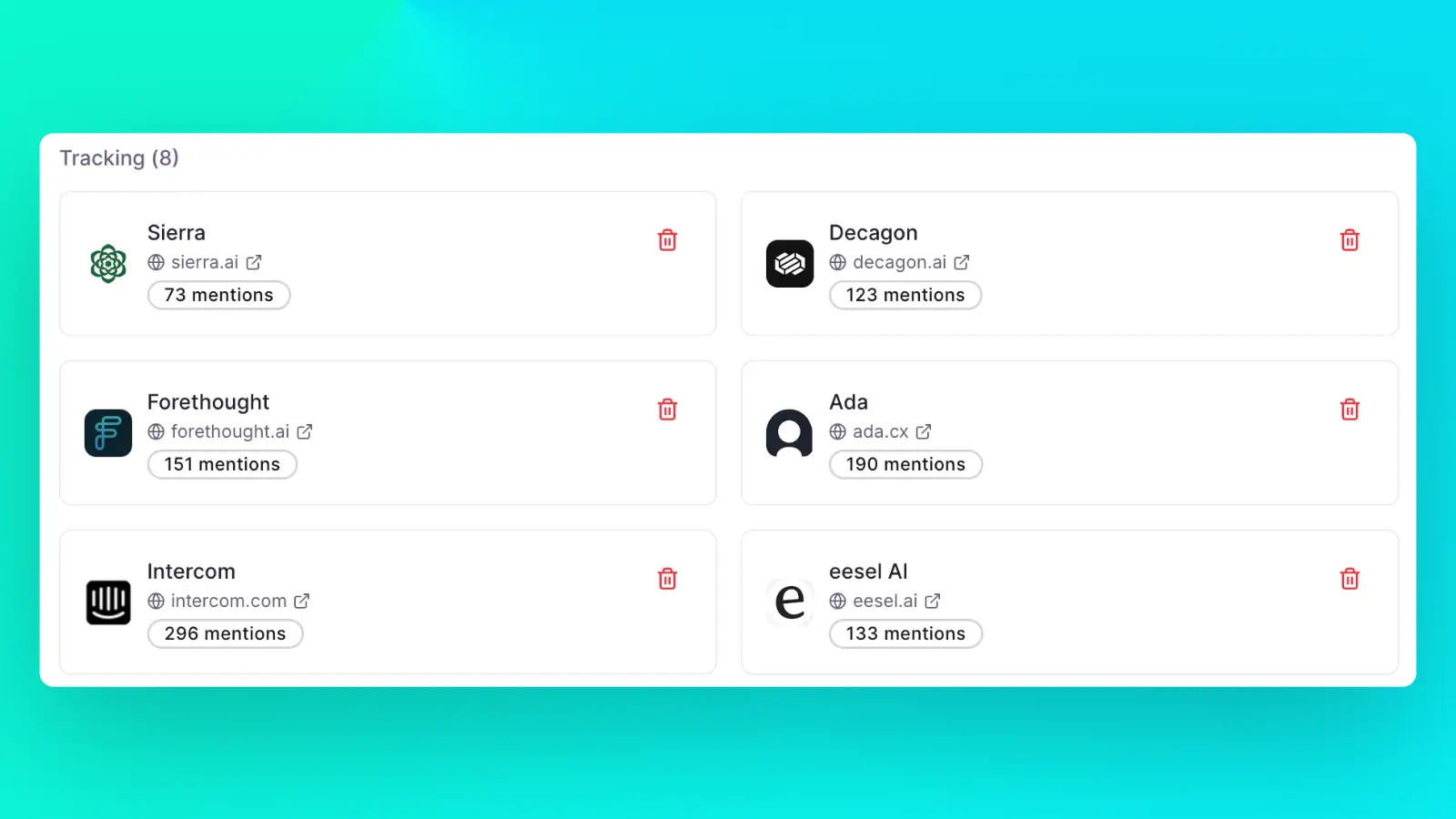
Positions change. AI models get retrained and start citing different sources. Firms that stay visible are the ones checking their numbers every week instead of once a quarter.
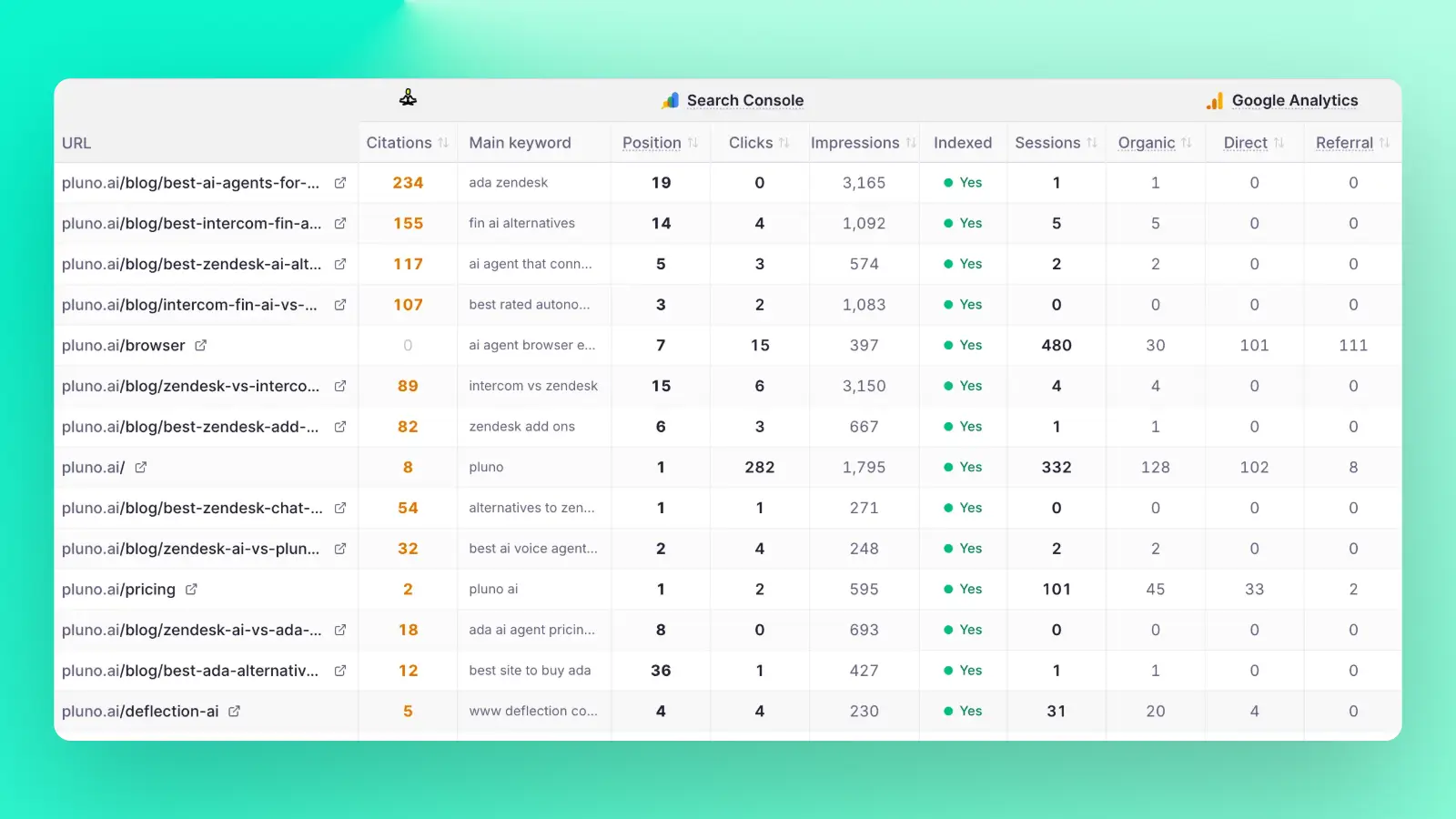
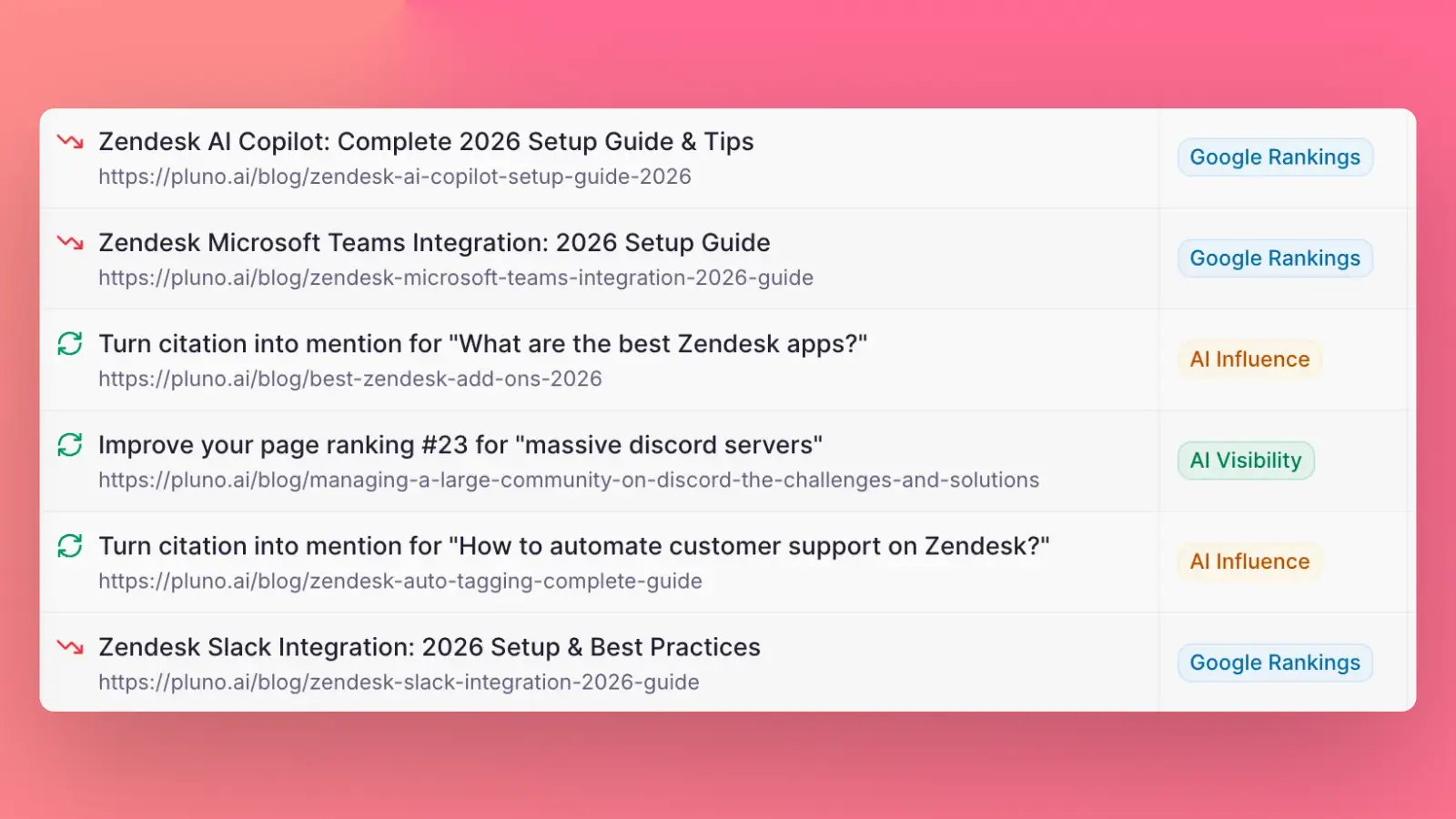
Four things to check weekly: which tracked prompts stopped naming you, which pages lost positions, which competing firm started appearing where you used to, and which pages are getting impressions without clicks.
When a page slips, improving it usually works better than replacing it. A sharper answer near the top and more current sources tend to recover the position, and you keep the authority the URL has already earned.
The ROI for SEO and AEO for lawyers
Legal is one of the highest-value markets in search, so the arithmetic here is unusually forgiving. Take a personal injury firm in a major metro as the worked example. Ten bottom-of-funnel searches that firm would want to own look like this.
| Bottom-of-funnel search | Monthly searches |
|---|---|
| personal injury lawyer nyc | 2,300 |
| car accident lawyer nyc | 1,800 |
| construction accident lawyer nyc | 500 |
| medical malpractice lawyer nyc | 500 |
| wrongful death attorney nyc | 350 |
| slip and fall lawyer nyc | 300 |
| do i need a lawyer for a car accident | 300 |
| how much is my car accident case worth | 150 |
| new york personal injury statute of limitations | 150 |
| best personal injury law firm nyc | 70 |
Six of those ten sit at a keyword difficulty of 21 or lower, so most of the money is in the terms nobody is fighting hard for. Advertisers pay up to $75 a click on some of them, which tells you what a single visitor is worth to a competitor.
How the numbers work out
Three assumptions carry the model, and you can substitute your own:
- 1.2% of organic visitors request a consultation
- 25% of consultations become a signed case
- $9,000 average net fee per signed case, which is conservative for serious injury work
Traffic per page varies enormously. One page built on the right bottom-of-funnel term can carry a thousand visits a month while five others carry fifty between them, so counting articles tells you nothing useful. What follows is an estimate of where a firm working the framework tends to land at each level, driven by how much of the opportunity you can research, publish against and monitor at once.
| How you run it | What you can work at once | Organic visits / mo by month 12 | New cases / mo by month 12 | Fee income earned in year 1 * |
|---|---|---|---|---|
| Starter, $99/mo | A focused set of prompts and keywords | 600 | 1.8 | $81,000 |
| Pro, $199/mo | Several practice areas tracked together | 1,200 | 3.6 | $162,000 |
| Scale, $449/mo | Your whole market, plus competitors | 2,600 | 7.8 | $351,000 |
| Done for you | Everything, run by people who have done it before | 4,500 | 13.5 | $608,000 |
* These figures are deliberately conservative. Every assumption above sits at the cautious end of what legal marketing data suggests, and the model treats every page as an average performer. When the work is done properly, one page on the right bottom-of-funnel term can outperform ten others on its own, and the real numbers are likely to be considerably higher than what you see here.
Custom plans go well beyond Scale when a firm wants more capacity, so treat the top row as a starting point rather than a ceiling.
The done-for-you line sits higher because of judgement rather than output. Our team picks winnable targets on the first pass, produces content that gets cited sooner, and does the third-party work in step 4 that busy firms postpone indefinitely.
One signed case at $9,000 covers more than seven years of Starter. That is the honest reason legal rewards this work more than almost any other market.
Illustrative model rather than a guarantee. Search volumes and click costs from ContentMonk, US data, August 2026. Conversion, signing and fee assumptions are listed above so you can replace them with your own. Your market, practice area and existing authority all move these numbers.
Get rankings. Get recommended. Get customers.
Start a free ContentMonk trial to audit where you stand, see your opportunities ranked, and start executing on them in the same place.
Start Free ContentMonk TrialDo it yourself, or have our experts do it
The framework works either way. What changes is who spends the hours on it.
Do it yourself
You run the process, and ContentMonk does the parts that would otherwise eat your week.
- Get rankings on the searches that bring you cases, with keyword research, rank tracking and gap analysis in one place
- Get recommended in AI answers, with prompt tracking across ChatGPT, Claude, Gemini, Perplexity, Copilot and Google AI Overviews
- Get customers from both, because the content engine writes and publishes against the opportunities your own data surfaces
- Every feature on every plan, including API and MCP access
From $99 a month, with a seven-day free trial and no card required.
Try ContentMonk FreeDone for you
For firms who would rather hand this to people who have done it many times, or who simply do not have the hours.
- Our team runs the full framework, from BOFU research through content and third-party mentions
- We take ownership of the metrics that matter commercially: qualified enquiries and signed cases, not impressions
- We commit to results and revenue targets as part of the engagement
- Nearly a decade running SEO and AEO for 70+ brands, applied to your market
Scope and pricing are agreed per engagement, starting with a conversation about your practice areas.
Book a DemoMost firms start on the platform and move across once they see what the work is worth. Your data moves with you either way.
SEO and AEO for lawyers: FAQ
What is AEO for lawyers?
AEO, answer engine optimization, is the work of getting your firm named when someone asks an AI assistant a legal question. Same foundations as SEO, but measured by whether you appear in the answer rather than where you rank.
What's the difference between SEO and AEO?
SEO is ranking in a list of links. AEO is being named inside a generated answer. The work overlaps heavily, because assistants build answers largely from pages that already rank. The difference is measurement.
How do law firms get recommended by ChatGPT?
By being present in the sources ChatGPT reads: accurate directory and bar listings, pages that answer specific client questions directly, and mentions in legal publications. There's no way to submit your firm or pay for placement.
Do I still need SEO if AI answers the questions?
Yes, more than before. Assistants assemble answers largely from pages that rank well. Dropping SEO removes the foundation the answer is built on. They're the same work, measured two ways.
How much does SEO for lawyers cost?
Agencies typically charge $2,000–$10,000+ a month depending on market and practice area. Running it yourself on ContentMonk starts at $99 a month. Done-for-you engagements are quoted individually.
How long does law firm SEO take to work?
Directory and profile fixes can show up in AI answers within weeks. New pages follow normal indexing timelines. Most firms see movement on easier questions inside two to three months, with compounding after that.
Can lawyers do SEO themselves?
Yes. The process on this page is the whole playbook, and the platform automates the tedious parts: tracking, research, briefs and monitoring. What it costs you is a few hours a week of attention.
Is GEO the same as AEO?
Effectively yes. GEO stands for generative engine optimization, AEO for answer engine optimization, and in practice they describe the same work. GEO is the more searched label; AEO is the more precise one.