
Something had been building for months, and one evening they finally decided to do something about it. So they asked a friend who they saw, typed therapist near me into their phone, and scrolled a directory until somebody looked like the right fit. Then they sent three enquiries and went with whoever replied first.
That search still runs 198,000 times a month in the United States. It is still one of the ways a client finds you.
The second route is the one that changed. They now open ChatGPT, Claude, Gemini or Perplexity, or read the AI summary sitting above Google's results, and describe what is happening in their own words: my partner and I keep having the same argument and I do not know if therapy would help, what kind of therapist should I look for. They get back one answer that explains the approach and names two or three practices, and those are the ones that get the enquiry.
Both routes are live and both end in a first session. On the second one, being on page one does not get you very far on its own, because the answer names only a few practices and most people never scroll past it.
Both routes read the same pages. Google's crawler and the AI crawlers fetch the same website and look at the same headings, the same answers and the same evidence that you know what you are doing.
The page that earns you the ranking is usually the page that earns you the recommendation inside AI answers. A clear page explaining what happens in an EMDR session, who it suits and who it does not, is what puts you at position three on Google, and it is the same page an assistant reads before it suggests a client books a consultation with you.
Keep focusing on SEO only and you pick up the rankings while missing the questions where an assistant recommends someone else. Run the two together and every page you publish does both jobs at once.
Done properly this gets you three things: rankings on the Google searches that bring enquiries, recommendations in AI answers across every major assistant, and clients from both.
Key takeaway: Clients now find therapists through two routes, Google results and AI answers, and if you follow this guide the same set of pages will win you both.
Mosaic Counseling & Wellness is a clinician-founded practice in the Chicago suburbs with seven offices, from Elmhurst and Glen Ellyn to Oak Park and Orland Park. No franchise behind them, no private equity owner, no national advertising. They did the work properly instead, and on one subject their results in SEO and AI search now beat the largest health publishers in the country.
Their Domain Rating is 22. Most agencies would tell you that rules out competitive terms altogether. They hold position one for somatic therapy, a search of 46,000 a month that our data scores at difficulty 57, above Harvard Health at Domain Rating 93, above Psychology Today at 93 and above Healthline at 92.
Those searches matter because of who runs them. Somebody reading about somatic therapy at eleven at night is deciding whether this is the kind of help they have been looking for.
| Search | Position and detail |
|---|---|
| somatic therapy | #1 of 46,000 monthly searches, difficulty 57 |
| somatic healing | #1 of 5,700 monthly searches, difficulty 62 |
| what is somatic therapy | #1 of 3,500 monthly searches, difficulty 54 |
| somatic experiencing therapy | #1 of 3,000 monthly searches, difficulty 62 |
| somatic therapist | #8 of 2,900 monthly searches, difficulty 0 |
| somatic work | #1 of 1,200 monthly searches, difficulty 58 |
| somatic trauma therapy | #1 of 700 monthly searches, difficulty 52 |
| therapy approaches | #1 of 350 monthly searches, difficulty 44, and the highest-value term in the set at $2.26 a click |
Three patterns produced that. Almost all of it comes from one page. Their somatic therapies article holds first place for the whole cluster, at difficulties between 52 and 64, and it does that because it covers the subject more thoroughly than anybody else has rather than being split into six thin posts.
They also chose a modality rather than a location. Nearly every therapy practice website in the country is a list of towns served, which is why almost none of them rank for anything. A definitive page on a treatment approach travels nationally, gets cited by AI, and still converts locally because there are seven offices behind it.
And their second pillar has the same shape. A therapy-101 page explaining the theories and approaches holds first place for therapy approaches and types of therapy approaches, and the authority it earns lifts the rest of the site.
None of this needed a large budget. Their 283 organic keywords bring 2,875 visits a month, 73 of those keywords sit in the top three, and the traffic is worth $3,064 a month in equivalent paid clicks. They run no paid search at all, so every one of those visits was earned rather than bought.
That is a smaller number than you would see in most industries, and it is the point. A therapy practice does not need a hundred thousand visitors. It needs the right few hundred.
In the guide below we show you how to do SEO and AEO for therapists the same way, using our five-step framework.
All figures from ContentMonk, US data, August 2026. Mosaic Counseling & Wellness has no affiliation with ContentMonk and is not a customer.
Below we walk through each of the five steps of how to do SEO and AEO for therapists, in order: finding the searches and prompts that bring enquiries, working out why other practices are winning them, building better pages, getting mentioned on the sources AI trusts, and keeping the results once you have them. Run all five and you get rankings on Google, recommendations in AI answers, and clients from both.
Everything here is specific to therapy, including the ethics rules that make marketing a therapy practice different from marketing anything else. The examples are real searches clients run and the difficulty scores are real.
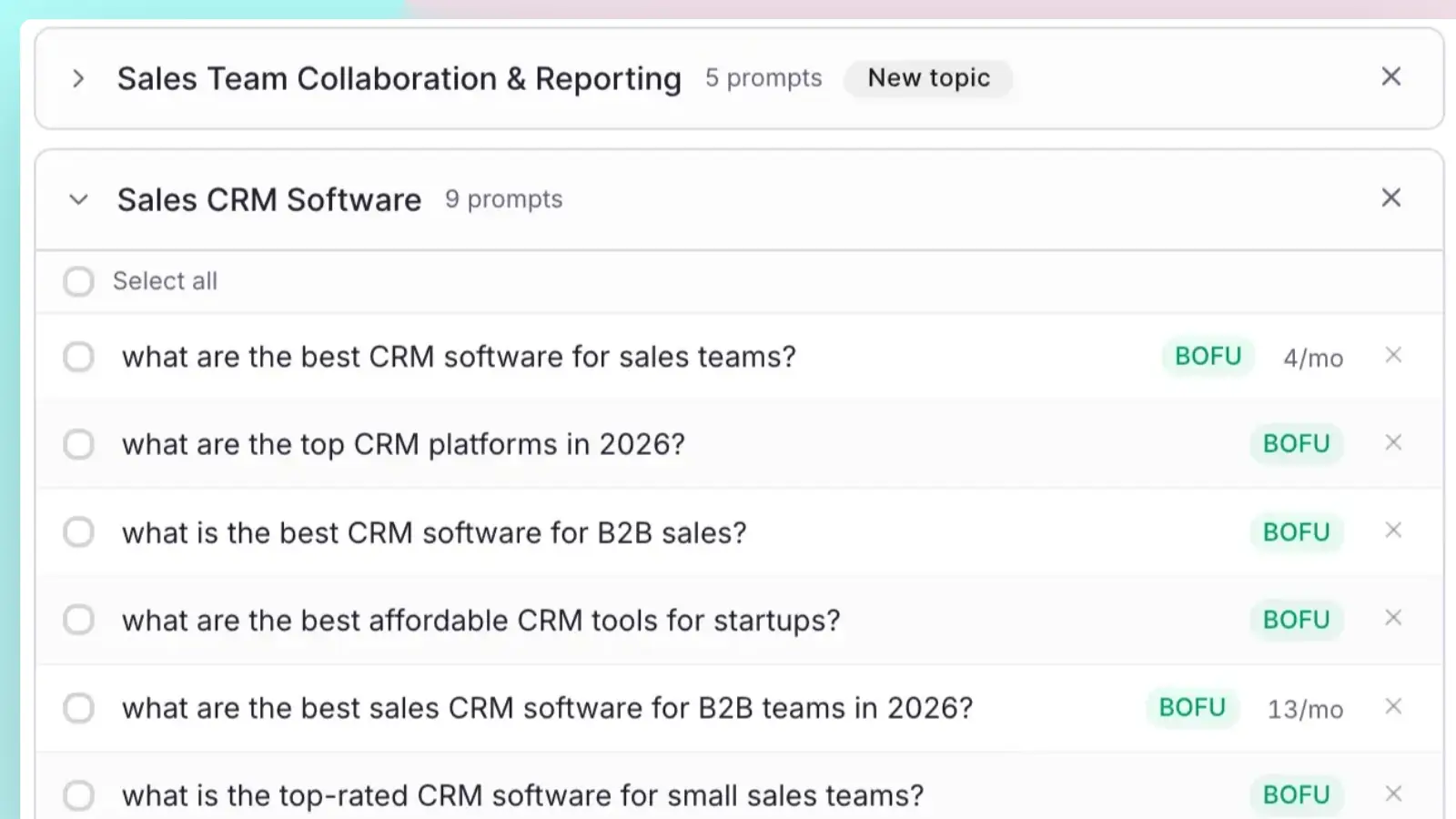
Start by writing down every search and every question that comes from somebody close to sending an enquiry.
A bottom-of-funnel prompt is one where the person has already decided they want help and is working out who to approach. Who does couples therapy near me and does it actually work is one of those. What is the history of psychoanalysis is not, because that person is reading. Both are worth having eventually, but only the first one fills a caseload.
| Keyword they type into Google | Prompt they give an AI assistant |
|---|---|
| couples therapy near me | We keep having the same argument, who does couples therapy near me and does it actually work? |
| grief counseling near me | My mum died four months ago and I am not coping, who should I see? |
| emdr therapist near me | My doctor suggested EMDR for what happened to me, how do I find someone who does it properly? |
| therapist for teens near me | My fifteen-year-old will not talk to us, who works with teenagers around here? |
| does insurance cover therapy | Will my insurance pay for therapy, and what happens if the therapist I want is out of network? |
Every directory and telehealth brand in the country is fighting over the general searches. Therapist near me runs 198,000 times a month at difficulty 48. Therapy near me is 196,000 at 56. Online therapy is 118,000 at 68. Those are not winnable for a private practice and chasing them is where most therapy marketing budgets go to die.
Now look at these two.
| Keyword | Monthly searches and difficulty |
|---|---|
| counseling near me | 35,000 searches a month, difficulty 63 |
| couples therapy near me | 35,000 searches a month, difficulty 6 |
Identical volume. Fifty-seven difficulty points apart. One is a generic word for what you do, the other is the thing a specific person is actually looking for, and a solo practice can realistically take the second one.
It keeps going all the way down the list. Grief counseling near me is 16,000 searches a month at difficulty 0. Child therapist near me is 14,000 at 17. Eating disorder therapist near me, EMDR therapist near me, IFS therapist near me, therapist for teens near me, LGBTQ therapist near me and postpartum therapist near me all sit at difficulty 0.
This one catches people out, so it is worth its own table.
| Keyword | Monthly searches and difficulty |
|---|---|
| emdr therapy | 236,000 searches a month, difficulty 78 |
| emdr therapist near me | 1,900 searches a month, difficulty 0 |
The page explaining what EMDR is belongs to the big health publishers. The page that helps somebody find an EMDR therapist is unclaimed. The first one gets read and the second one gets booked, so if you only have time for one, write the second.
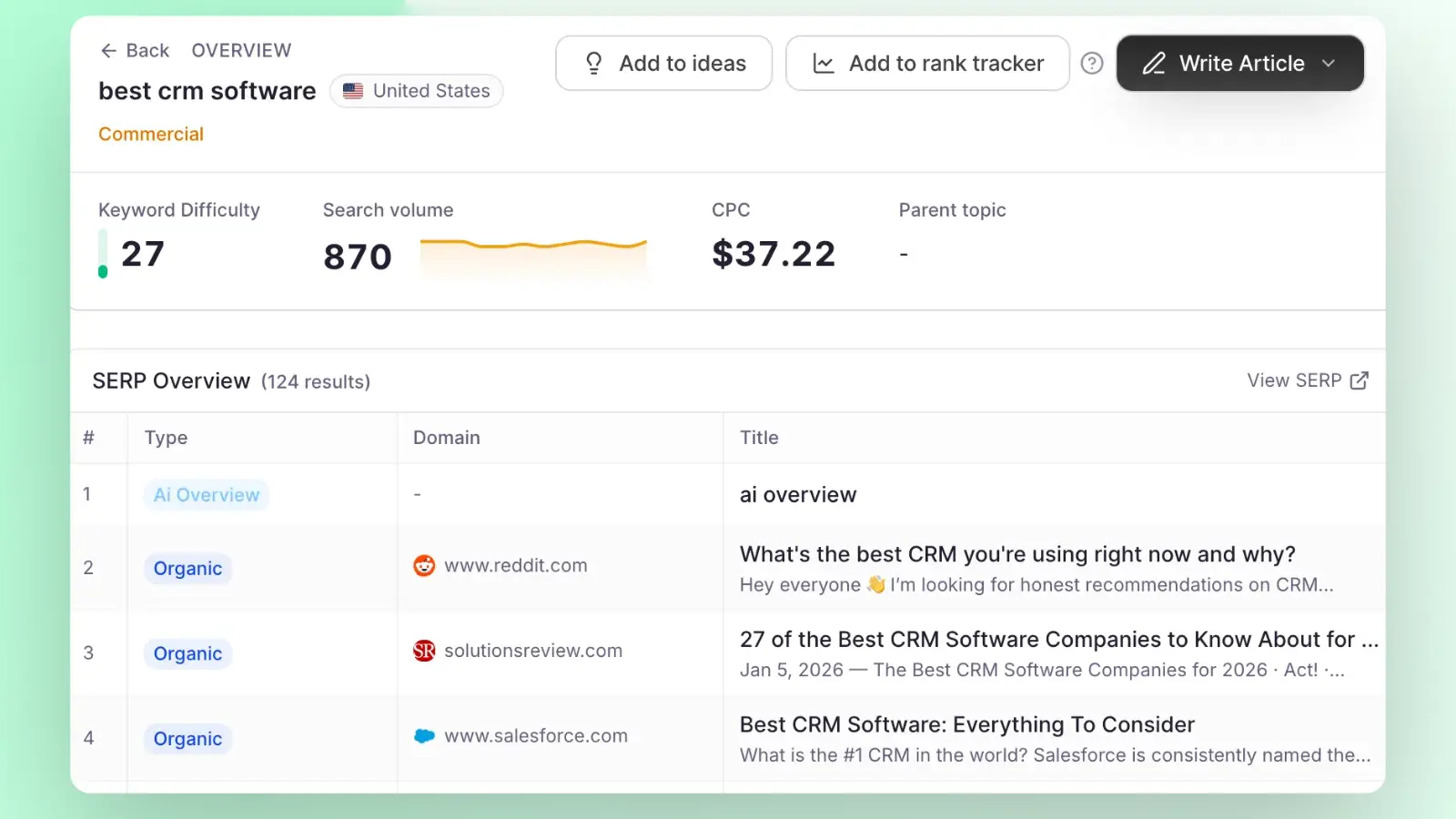
There is no rule to guess from either. Art therapy near me is difficulty 61, play therapy near me is 35, IFS therapist near me is 0. Work through every presenting problem you treat, every modality you are trained in, every population you serve and every town you cover, and check each one separately.
Run a free AI visibility and SEO audit on your domain and see which prompts name you, which name someone else, and where your rankings sit right now. Free. No signup, no card.
Get Your Free SEO/AEO AuditWhoever ranks and gets recommended today did the work to get there. Nobody is going to hand you the method, so you look at what is producing their results and build something better.
For each search on your list, check four things.
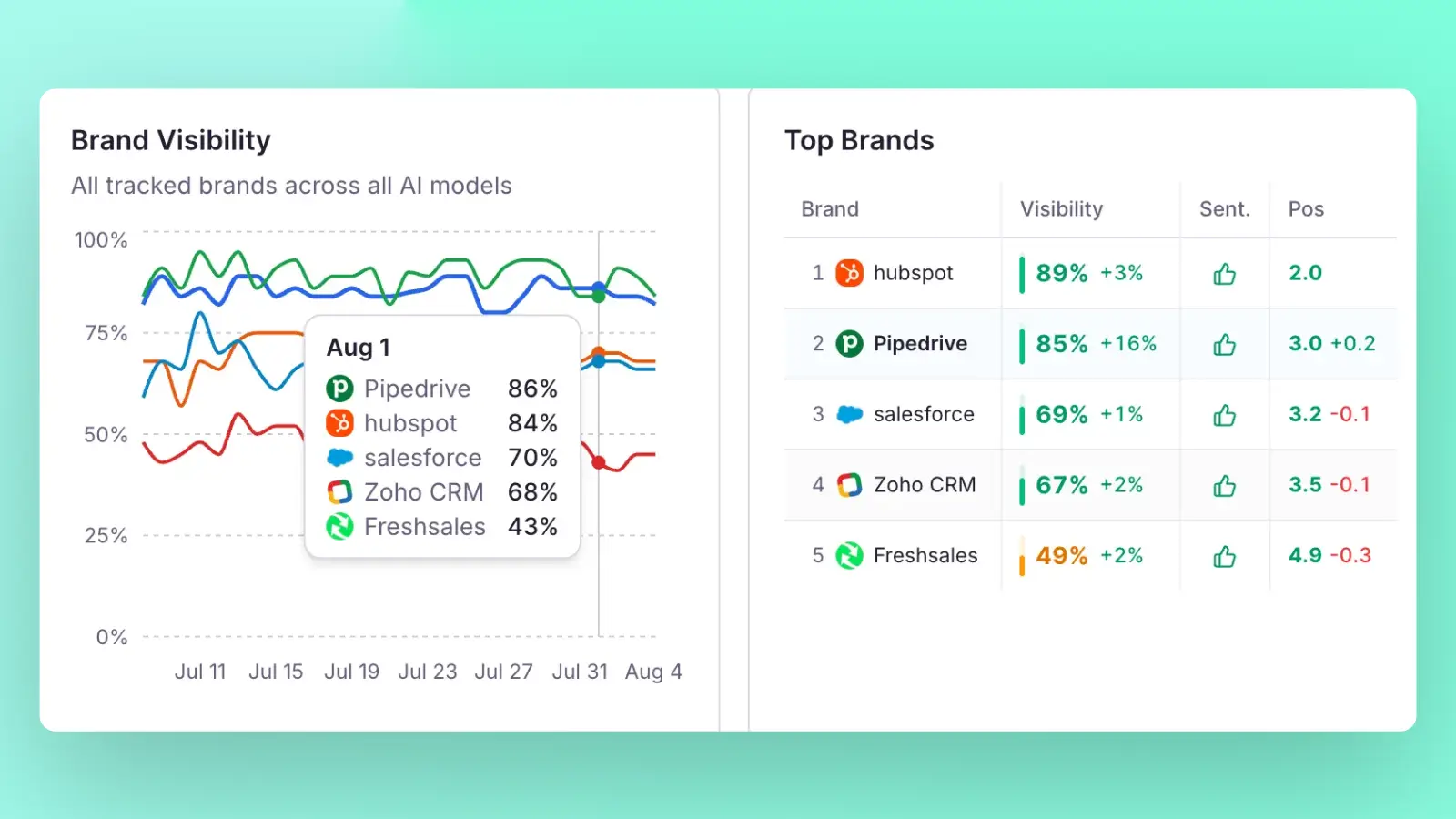
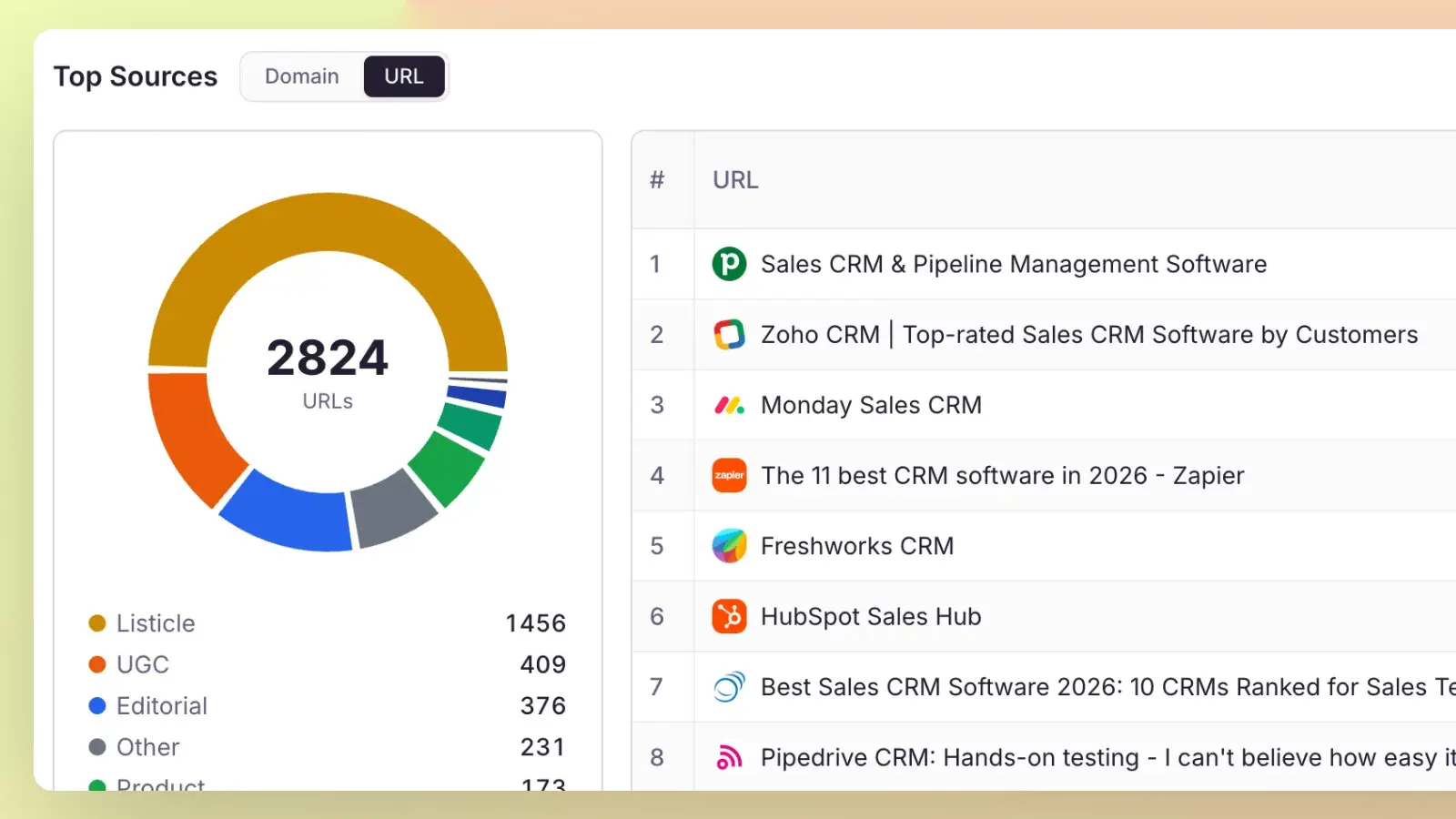
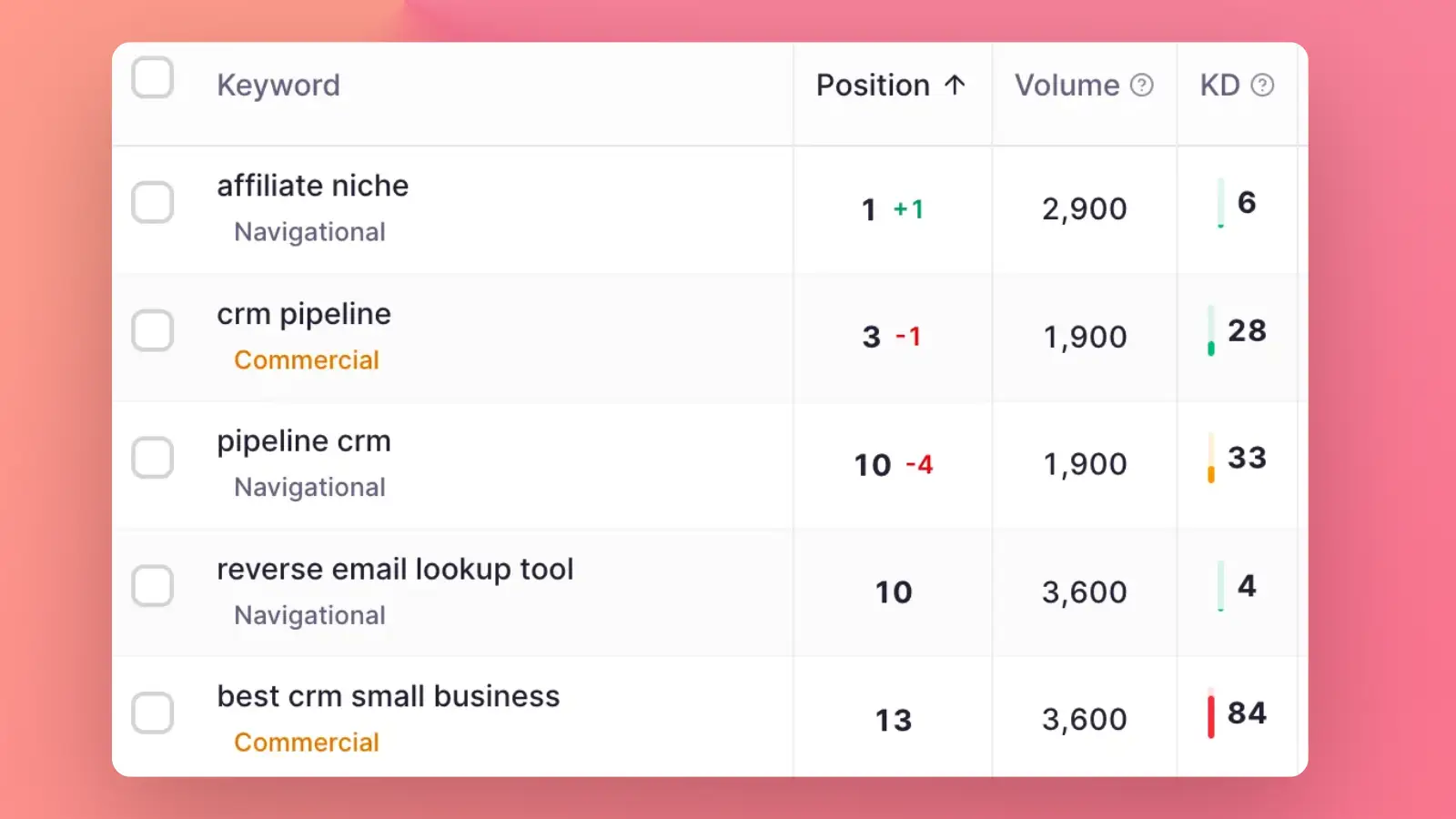
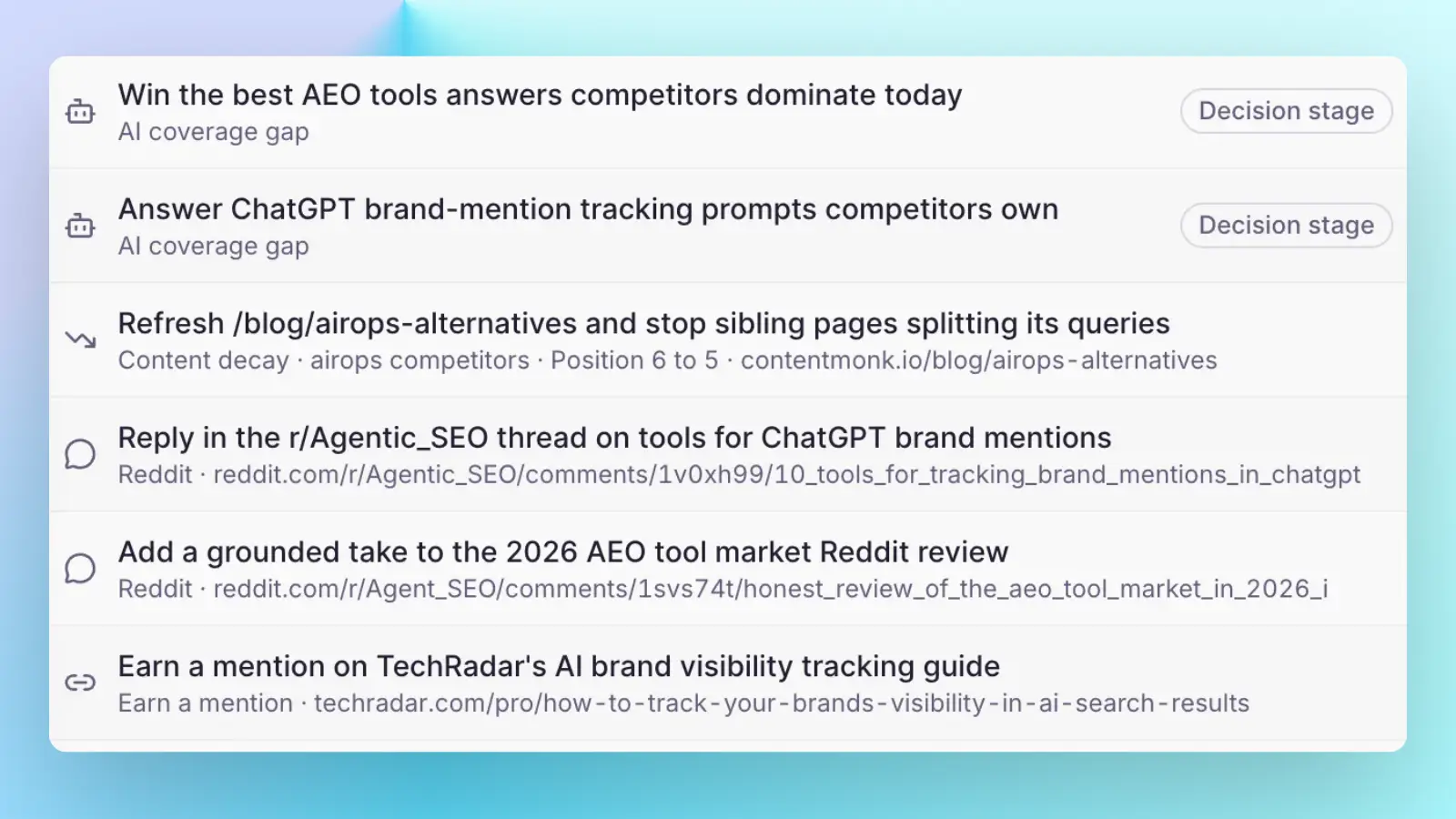
Once the research is done, everything starts with your own pages. This is the part you fully control and the part most practices skip, because a bio, a fees page and a contact form will not rank for anything competitive.
For a page to rank and get cited, or as we prefer to put it, to influence what AI says about your field, it has to be objectively better than what is already there. Better means more actionable, backed by something only you know, and genuinely more useful to the person reading it.
Marketing a therapy practice is not like marketing a roofing company, and most SEO advice ignores that.
Testimonials from current clients are restricted or prohibited under the ACA and APA ethics codes and under many state board rules, so the review-gathering playbook that works everywhere else does not apply here. Confidentiality means no case stories, however carefully anonymised, without properly obtained consent. And claims about outcomes need to stay inside what the evidence supports.
What that leaves is the strongest material you have anyway. Your first-party expertise is clinical observation, explanation and process: what actually happens in the room, what people get wrong about a modality, how you decide whether somebody is a fit. Check your own state board rules and your professional body's code before you publish, then write from that.
A practice relying only on its own website tends to reach roughly 15 to 20% AI visibility and then stall. Everything above that comes from other websites talking about you.
Backlinks from trusted domains are still one of the strongest ranking factors in Google, and those same domains are the ones AI assistants cite. One relationship pays you twice.
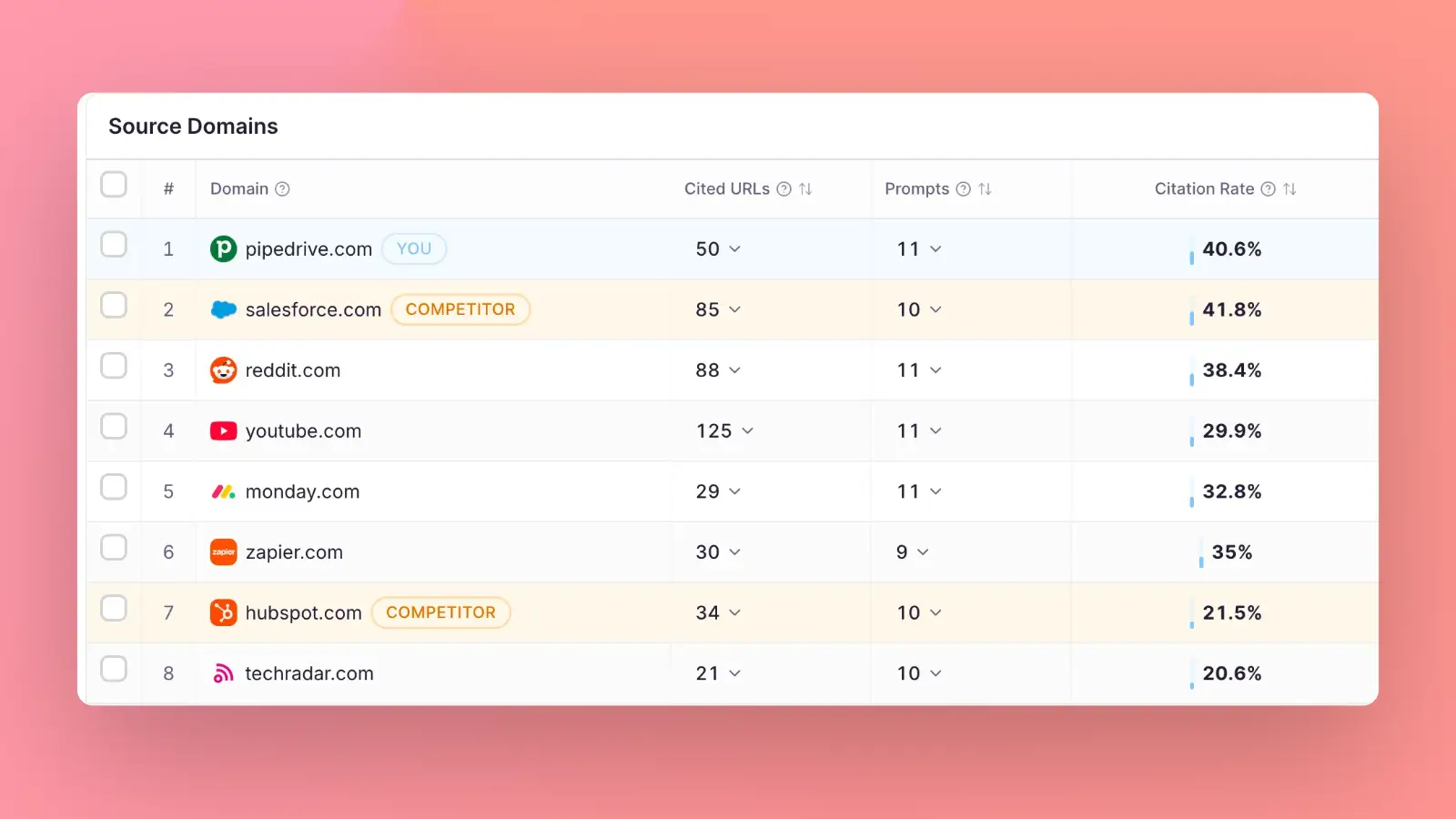
Therapy has an awkward version of this problem: the directories are both the main citation source and your main competitor. Psychology Today is the listing AI assistants quote more than any other, and it is also the thing outranking you for your own local searches. You need the profile, and you need not to depend on it.
The listings worth keeping accurate: Psychology Today, TherapyDen, GoodTherapy, Zencare, Inclusive Therapists and Open Path Collective, plus Alma, Headway or Grow Therapy if you work with them. Google Business Profile is free and feeds both the local pack and much of what appears in AI Overviews.
The ones almost nobody works, and the highest-trust listings in the profession, are the modality directories. EMDRIA for EMDR certification, the IFS Institute practitioner directory, Somatic Experiencing International, the Gottman Institute referral network, Postpartum Support International. If you hold the training, get the listing, because these are the pages an assistant reads when a client asks how to find somebody who does it properly.
Behind those sit your professional body, whether that is the APA, ACA, NASW or AAMFT, and your state licensing board's public verification page, which assistants use to confirm you are real.
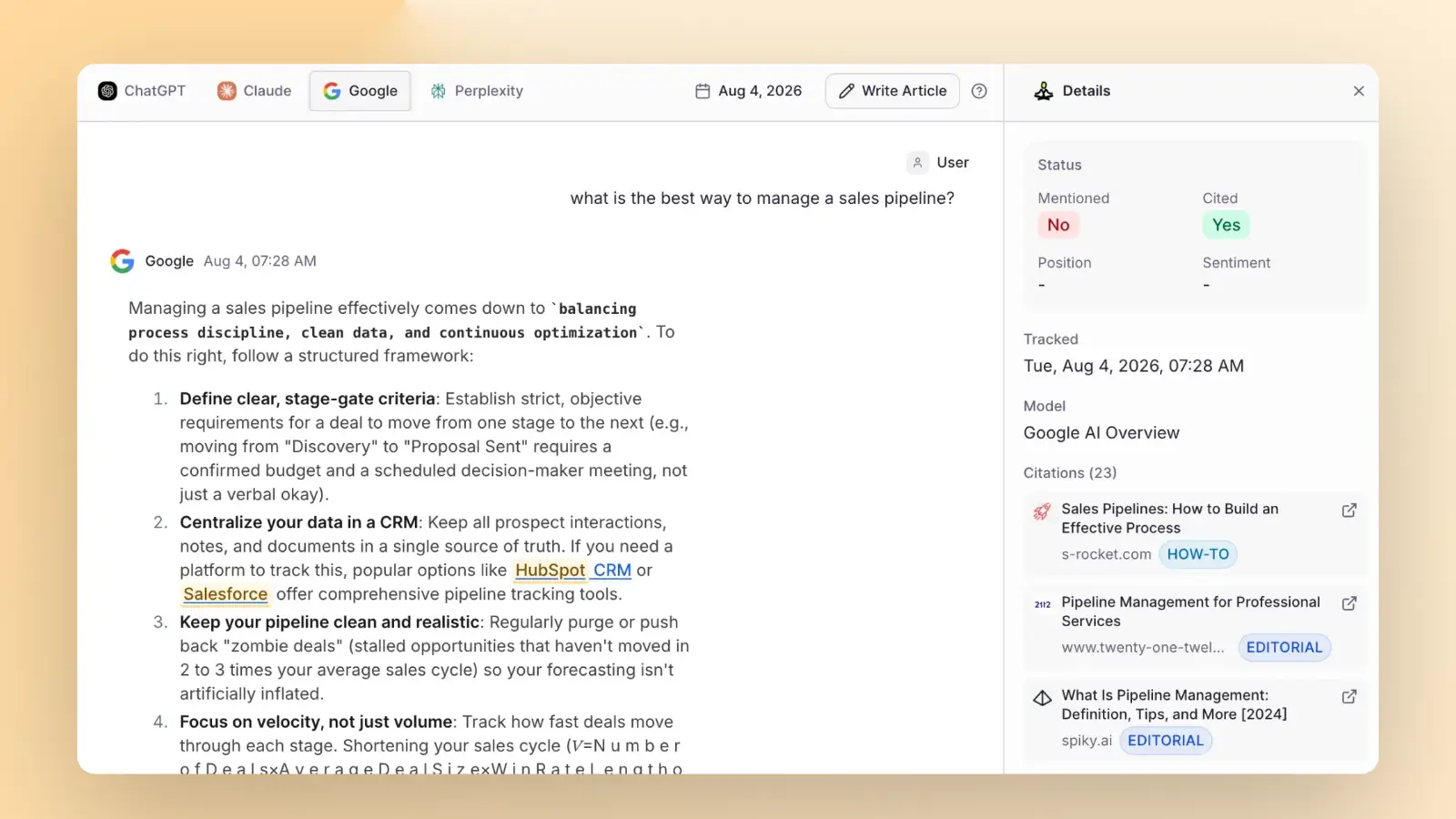
Positions move, competitors publish, and models get retrained and start citing different sources. A page that named you in March can name someone else by August without anything on your site changing.
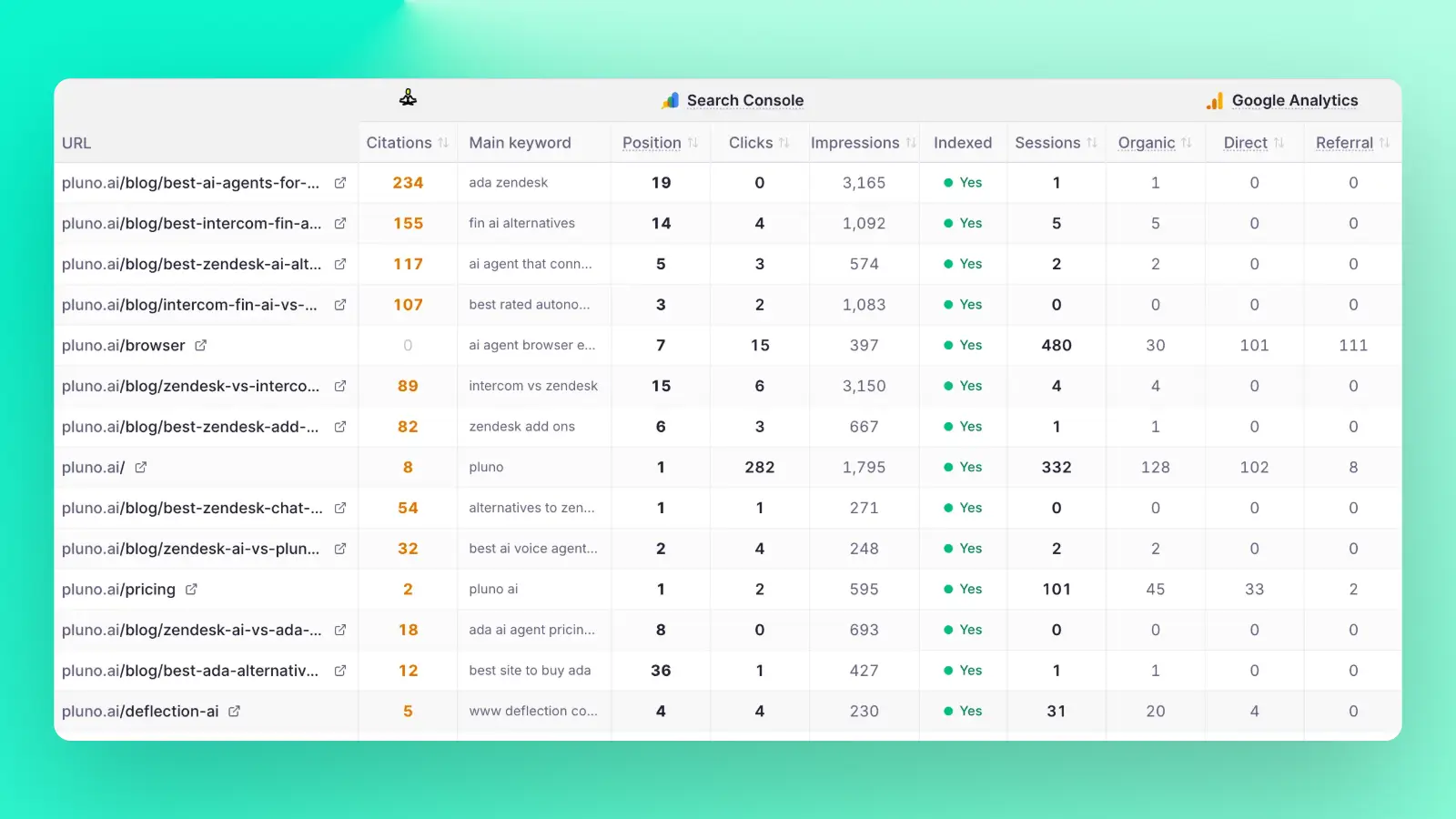
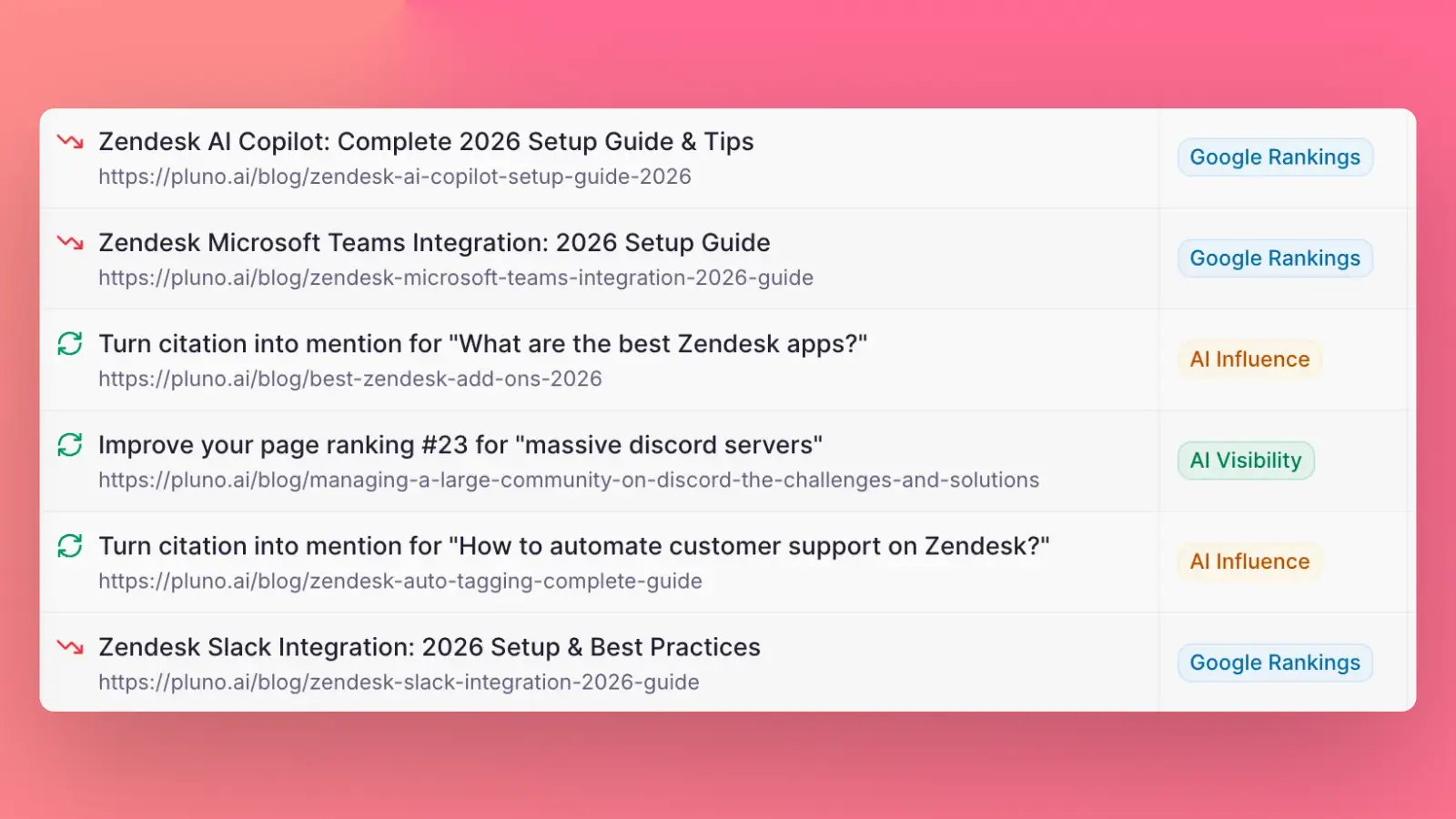
Four things to check every week: which tracked prompts stopped naming your practice, which pages lost positions, which competitor started appearing where you used to, and which pages are collecting impressions without clicks.
When a page slips, improve it rather than replacing it. Put a sharper answer near the top, refresh the fees and insurance details, add what you have learned since you wrote it, and you keep the authority the URL has already earned.
A therapy practice needs less traffic than any other business in this series, because a full caseload is a couple of dozen people rather than a couple of thousand. That changes what the arithmetic is for. Here is the maths for one practice in one major city.
These are ten bottom-of-funnel searches in Chicago, each a different intent.
| Bottom-of-funnel search | Monthly searches |
|---|---|
| therapist chicago | 1,100 |
| couples therapy chicago | 800 |
| family therapy chicago | 200 |
| grief counseling chicago | 150 |
| anxiety therapist chicago | 150 |
| trauma therapist chicago | 150 |
| lgbtq therapist chicago | 150 |
| adhd testing chicago | 100 |
| somatic therapy chicago | 100 |
| eating disorder therapist chicago | 90 |
That is 2,990 searches a month, which is the smallest metro set in this whole series, and eight of those ten sit at difficulty 21 or lower. Two things make up for the volume. The national specialism terms are enormous and unguarded, with couples therapy near me at 35,000 a month and difficulty 6. And you do not need many: the highest click price in the Chicago set is $9.00 for adhd testing chicago, and one client who stays in therapy for a few months is worth several hundred times that.
Traffic per page varies enormously, so counting articles tells you nothing useful. One page on the right bottom-of-funnel term can carry a thousand visits a month while five others carry fifty between them. What follows is per-plan capacity: how much of the opportunity each plan lets you research, publish against and monitor at the same time.
| How you run it | What you can work at once | Organic visits per month by month 12 | New clients per month by month 12 | Revenue earned in year 1 * |
|---|---|---|---|---|
| Starter, $99/mo | One practice, a focused set of presenting problems | 900 | 2.7 | $24,300 |
| Pro, $199/mo | Every modality you offer plus the cost and insurance questions | 1,800 | 5.4 | $48,500 |
| Scale, $449/mo | Multiple locations or clinicians, tracked and updated together | 3,800 | 11.4 | $102,500 |
| Done for you, quoted | Our team runs the whole framework for your practice | 6,500 | 19.5 | $175,300 |
* These figures are deliberately conservative. The model treats every page as an average performer, and that is not how this works in practice. When the work is done properly, one page on the right bottom-of-funnel term can outperform ten others, so real numbers are likely to be considerably higher.
Custom plans go beyond Scale, so the top self-serve row is a starting point rather than a ceiling.
Done-for-you sits higher on judgement rather than output. Our team picks winnable targets on the first pass, produces content that gets cited sooner, and does the third-party work in step 4 that busy practices postpone, with scope agreed per engagement.
The number on the first row is the one worth sitting with. 2.7 new clients a month is around 32 a year, which fills a solo caseload and then some. What that buys is not only revenue: it is the ability to stop depending on directory placement, and the room to move toward the fee and the client mix you actually want.
On payback: at $1,800 a client, one new client covers the Starter plan for about eighteen months.
Illustrative model built on the assumptions listed above. ContentMonk data, US, August 2026. Not a guarantee of results.
Start free and see where your practice stands, which opportunities are worth your time, and what to publish first.
Start Free ContentMonk TrialRun the whole framework inside ContentMonk.
Every feature is on every plan, including API and MCP access. From $99 a month, with a seven-day free trial and no credit card.
Try ContentMonk for FreeFor practices who would rather hand this to people who have done it many times, or who simply do not have the hours between sessions.
We take ownership of the metrics that matter commercially, which means enquiries, new clients and revenue rather than impressions. We commit to results and to revenue targets.
Nearly a decade doing this across 70+ brands. Scope quoted per engagement.
Get a Free Strategy CallAEO, or answer engine optimisation, is the work of getting your practice named when somebody asks an AI assistant who to see. It covers ChatGPT, Claude, Gemini, Perplexity and Google AI Overviews. In practice it means building pages that explain your modalities and answer cost questions clearly, and getting listed on the third-party sources those assistants cite.
SEO gets your pages ranking in Google's list of blue links. AEO gets your practice named inside an AI-generated answer, where only a few names appear at all. They rely on the same pages and the same third-party listings, which is why running them together costs little more than running one.
Assistants build answers from pages they trust: your own site, Google Business Profile, Psychology Today and the other directories, the modality bodies like EMDRIA, the IFS Institute and Somatic Experiencing International, your state licensing board record, and the r/therapy threads where people ask what to expect. Practices that get recommended have accurate listings everywhere, thorough pages on the work they do, and third-party coverage backing both up.
Yes, and the constraints push you toward better content anyway. Testimonials from current clients are restricted or prohibited under the ACA and APA codes and many state board rules, and confidentiality rules out case stories without proper consent. What you can publish is clinical explanation and process, which is exactly what ranks and what AI quotes. Check your own board's advertising rules before you publish.
Because it is somebody else's platform and the referral flow can change without warning. It is also the site outranking you for your own local searches, so every client it sends you is a client who found the directory rather than you. Most practices keep the profile and build their own pages alongside it rather than choosing between them.
Running it yourself with software starts at $99 a month, and a seven-day free trial needs no card. Agencies serving private practices typically run from several hundred to a couple of thousand a month depending on how many clinicians and locations you have. Our done-for-you engagements are quoted per practice.
Expect the first movement around month three or four, with results compounding from there. Enquiries tend to arrive before rankings look impressive, because a specific page on a specific presenting problem converts the small number of people who find it. The forecast on this page assumes nothing happens at all for the first three months.
Yes. Google still sends the largest share of client traffic, and the assistants read the pages Google ranks. Strong SEO is what makes your site visible to the crawlers that feed AI answers, so dropping it removes the foundation the AI visibility sits on.
Start a free trial to see exactly where your practice stands, get the opportunities ranked in order of what is worth your time, and turn both into clients. Or have our team run the five-step framework for you.
Seven-day free trial. No credit card required.